Selecting a mobile app for critical alerts starts with reliability and speed. The most important capability is bypassing silent or do-not-disturb modes on both iOS and Android devices. Leading healthcare communication apps achieve this through persistent alerts that override device settings, so audible notifications reach users regardless of the phone’s current state.
Location precision, AI-powered triage, and tight workflow integration also matter. Healthcare professionals require HIPAA compliance and EHR integration with systems like Epic and Cerner. Push notification opt-in rates vary significantly, with iOS at 51% and Android at 81%, while SMS alerts reach delivery rates near 98%.
Feature | Consumer Needs | Healthcare Needs | Winner |
Silent Mode Bypass | Weather/Emergency | Clinical Events | Rhythm360 |
AI Triage | Basic Filtering | Alert Fatigue Reduction | Rhythm360 |
Integration | Social Media | EHR/Device Data | Rhythm360 |
Compliance | General Privacy | HIPAA Required | Rhythm360 |
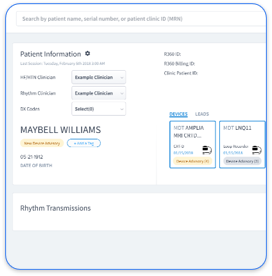
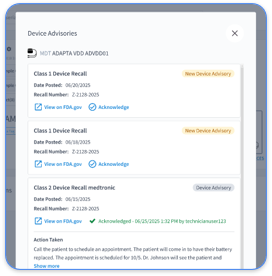
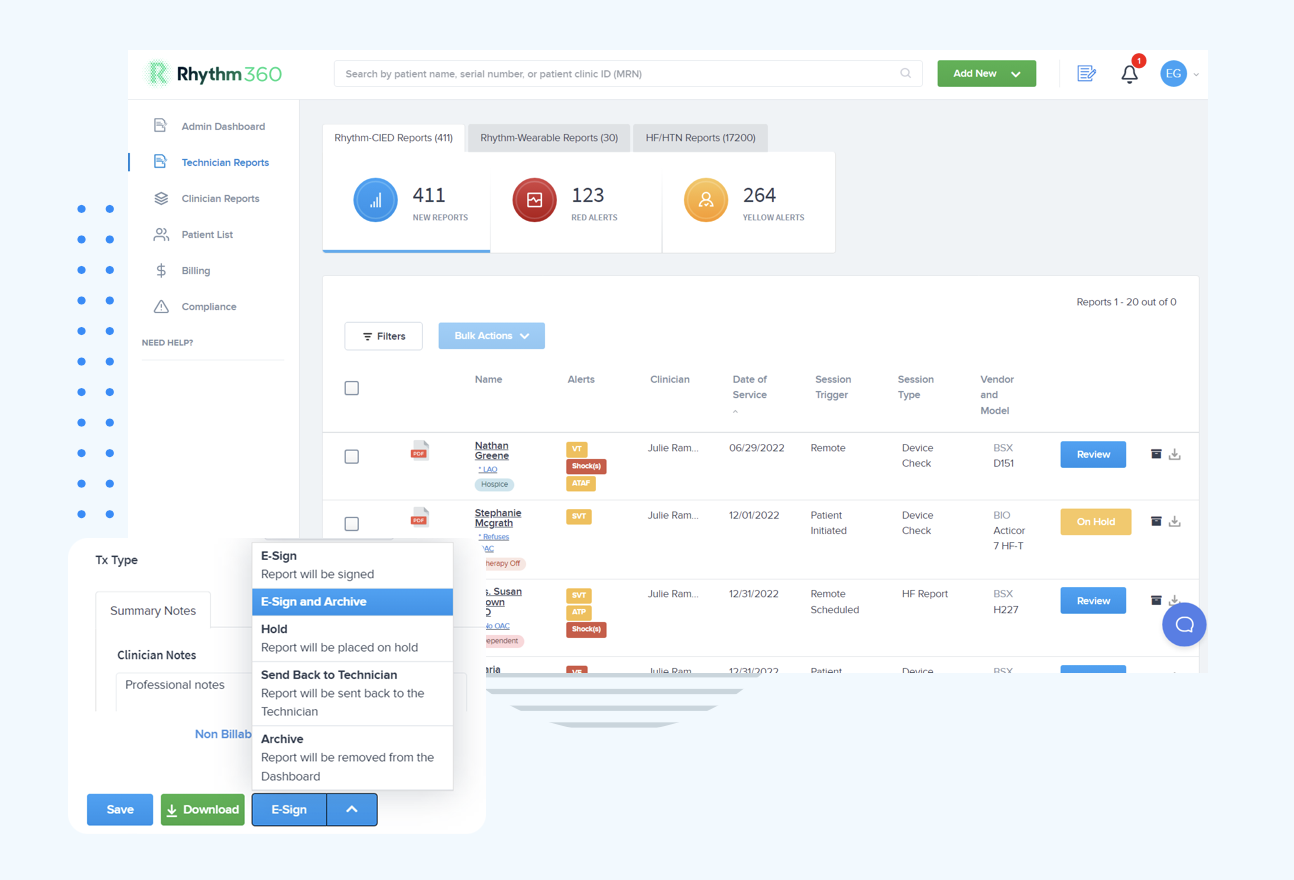
Rhythm360 serves as a purpose-built mobile app for critical alerts in cardiology and electrophysiology. This vendor-neutral platform consolidates data from Medtronic, Abbott, Boston Scientific, Biotronik, and other cardiac device manufacturers into a single, intuitive dashboard. The AI-powered triage system cuts response times for critical events by 80% and maintains greater than 99.9% data transmissibility through redundant feeds and computer vision technology.
Clinicians can monitor patients with cardiac implantable electronic devices, heart failure, and hypertension from anywhere using the secure, HIPAA-compliant app. A common scenario involves a Saturday morning alert for new-onset atrial fibrillation, which enables immediate anticoagulation protocols that help prevent strokes. AI-driven alert systems have demonstrated 90% reductions in false positives, which eases alert fatigue and supports better clinical outcomes.
Pros: Vendor-neutral CIED integration, AI triage that reduces false positives, mobile dashboard access, potential 300% revenue increase, HIPAA compliance
Cons: Healthcare-specific focus, not designed for general consumer use
Platforms: iOS, Android, Web
CodeRED Mobile Alert delivers location-aware public safety notifications for weather emergencies, evacuation orders, and community incidents. The platform receives a ★★★ rating for broad jurisdictional coverage and selectable alert types, which helps residents in participating communities stay informed. The app includes map overlays for affected areas and customizable notification preferences.
Pros: Wide jurisdictional coverage, location-based targeting, free where deployed
Cons: Only works in participating communities, no healthcare-specific capabilities
Platforms: iOS, Android
The American Red Cross Emergency app focuses on severe weather alerts, safety tips, and disaster preparedness content. It sends real-time notifications for multiple locations, which suits families with members in different regions. The app also supports offline access and basic emergency contact management.
Pros: Broad disaster information, multi-location monitoring, offline features
Cons: Consumer-focused, no clinical integration, limited customization
Platforms: iOS, Android
PulsePoint Respond earns a ★★★★ rating for its live incident feed and CPR alerts, which connect trained responders with nearby cardiac emergencies. The app notifies users when CPR is needed in public spaces and can shorten time to first chest compression. It integrates with local emergency services and offers real-time incident tracking.
Pros: CPR alerts that can save lives, community integration, free access, quick iOS installation
Cons: Limited to public emergencies, requires jurisdiction participation
Platforms: iOS, Android
The National Weather Service’s official app delivers authoritative warnings, watches, advisories, and all-hazards notifications, including AMBER Alerts. It sends location-based severe weather notifications with radar imagery and detailed forecasts. Many users treat this app as the standard for meteorological and emergency alerts in the United States.
Pros: Official government source, rich weather data, all-hazards alerts
Cons: Hazard-focused, no healthcare features, basic interface
Platforms: iOS, Android
SIGNL4 supports professional teams that need reliable alert distribution and escalation workflows. The platform integrates with monitoring systems and sends persistent notifications until someone acknowledges them. It also includes duty scheduling and multi-channel delivery through push notifications, SMS, and voice calls.
Pros: Team escalation workflows, multiple alert channels, professional operations focus
Cons: Limited healthcare-specific tooling, subscription required
Platforms: iOS, Android, Web
CatapultEMS specializes in school emergency management with action alerts, drills, anonymous reporting, and parent communication tools. The app supports emergency notifications and coordination features for school staff. It integrates with school systems and tracks responses during events.
Pros: School-focused features, emergency coordination tools, response tracking
Cons: Limited to school environments, no clinical monitoring
Platforms: iOS, Android
NOAA Weather Radio and Red Cross Emergency lead severe weather coverage with official meteorological warnings and location-based alerts. Both apps deliver reliable notifications for tornadoes, hurricanes, and other weather emergencies that affect specific regions.
Rhythm360 dominates clinical critical alerts by meeting healthcare requirements for heart failure monitoring, hypertension management, and cardiac device alerts. The platform consolidates data from multiple device manufacturers and applies AI-powered triage, which makes it especially valuable for cardiology practices that manage complex patient panels.
iOS and Android both support critical alert delivery through dedicated notification categories. Top-performing apps maintain 99.93% reliability on iOS and 99.81% on Android, and Rhythm360 builds on these capabilities in healthcare environments where silent mode bypass directly affects patient safety.
This comparison table highlights silent mode bypass, clinical fit, and AI features that help reduce alert fatigue across leading apps.
App | Silent Bypass & Clinical Fit | AI Triage | Rating/Focus |
Rhythm360 | Yes, HIPAA-compliant healthcare | 80% faster response | ★★★★★ Clinical |
CodeRED | Multi-purpose community alerts | Basic filtering | ★★★ Community |
PulsePoint | Emergency situations | Location-based | ★★★★ Public Safety |
NOAA Weather | All-hazards alerts | None | ★★★★ Weather |
Rhythm360 addresses three major cardiology challenges: fragmented data across device vendors, alert fatigue from non-actionable notifications, and revenue loss from missed billing. The AI-powered system supports mobile monitoring from anywhere, while certified cardiac technicians oversee transmissions so no critical events slip through. A weekend ventricular tachycardia alert can trigger rapid device reprogramming and help prevent a fatal arrhythmia, which shows the real-world impact of dependable critical alerts.
Healthcare providers using Rhythm360 report better operational efficiency and improved patient outcomes. Schedule a demo to see how vendor-neutral device integration and AI triage can reshape your practice’s critical alert workflows.
Rhythm360 serves as the leading mobile app for critical alerts in healthcare, with vendor-neutral cardiac device integration, AI triage that cuts response times by 80%, and HIPAA-compliant mobile access. For non-clinical use, NOAA Weather Radio fits severe weather, CodeRED supports community emergencies, and PulsePoint focuses on public cardiac events.
NOAA Weather Radio provides the most authoritative severe weather alerts as the official National Weather Service app. The Red Cross Emergency app adds disaster preparedness content and multi-location monitoring, which helps families that span several geographic areas.
Rhythm360’s HIPAA-compliant mobile app delivers secure critical patient alerts at any time and from any location. Clinicians can review transmissions and respond to life-threatening cardiac events quickly, regardless of device sound settings.
Critical alerts on iPhone use the Critical Alerts notification category, which bypasses silent mode and Do Not Disturb. Android devices support high-priority notifications that can override silent modes. Healthcare apps such as Rhythm360 use these platform features to ensure reliable delivery of time-sensitive medical alerts.
Rhythm360’s AI triage filters non-actionable notifications and highlights clinically significant events. The platform aggregates alerts from multiple cardiac device manufacturers into one dashboard, which removes the need to watch separate portals and lowers the total number of notifications clinicians must review.
Rhythm360 uses a flexible SaaS pricing model that scales with clinic size and platform usage. The system offers value-based options without large setup fees, so solo practices and large health systems can both adopt the platform. Implementation usually takes days to a few weeks, including EHR integration.
Rhythm360 emerges as the leading choice for healthcare professionals who need reliable critical alert delivery, vendor-neutral device integration, and AI triage that supports both outcomes and revenue. Consumer apps like NOAA Weather Radio and CodeRED perform well in their domains, yet only Rhythm360 meets the complex demands of clinical environments where missed alerts can become life-threatening.
Healthcare teams ready for unmissable clinical alerts that bypass silent mode and cut response times by 80% can schedule a demo today. See how Rhythm360 can transform your critical alert management and why leading cardiology practices rely on it for life-saving patient monitoring.