Code | Description/Requirements | Cardiology Examples | 2026 Reimbursement/Frequency |
CPT 99454 | Device supply and at least 16 days of data transmission in a 30-day period | CIED monitoring, heart failure weight and blood pressure sensors via Rhythm360 | About $47 per 30 days |
CPT 99457 | At least 20 minutes of clinical staff time with interactive communication | EP review of AFib alerts, heart failure patient education calls | About $52 per 30 days |
Bill 99454 for technology infrastructure and 99457 for clinical care management, together each month for maximum revenue capture. These codes cover different parts of RPM services and can be billed at the same time for one patient when all requirements are met. Practices need clear documentation for each code’s criteria and consistent, compliant billing that holds up during audits.
CPT 99454 covers device supply, data transmission, collection, and reporting services for remote patient monitoring. Patients must use the RPM device for at least 16 days per month to bill CPT 99454, and the device must transmit data automatically rather than rely on manual patient entry. The code is billable once every 30 days, even when a patient uses multiple devices.
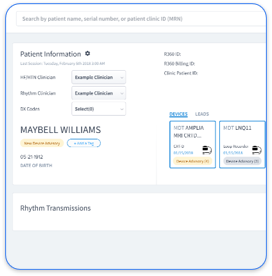
Cardiology practices typically use this code for CIED monitoring systems, CardioMEMS sensors, and heart failure management devices that send physiologic data automatically. Rhythm360 aggregates data from major OEMs including Medtronic, Boston Scientific, Abbott, and Biotronik. This unified view supports clean documentation of the 16-day requirement across all connected device types.
Critical compliance checklist for 99454:
CPT 99457 bills when clinical staff, physicians, or qualified healthcare professionals spend at least 20 cumulative minutes in a 30-day period on RPM management, including interactive communication with the patient or caregiver. At least one real-time interactive communication with the patient or caregiver must be documented, such as a phone call, video visit, or secure two-way messaging.
In cardiology, this time often includes reviewing CIED transmissions for arrhythmias, triaging heart failure alerts, educating patients on device use, and adjusting treatment plans based on RPM data. The 20-minute total can include data review, patient communication, care coordination, and documentation of clinical decisions. When total management time exceeds 40 minutes, practices can bill add-on code 99458 for each additional 20-minute block.
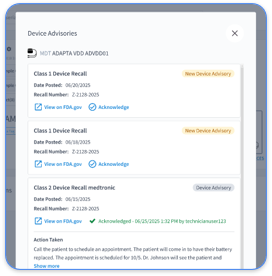
Rhythm360 automatically logs clinical staff time and records all patient interactions in an audit-ready format. This tracking supports 99457 documentation requirements and reduces the manual workload for clinical teams.
CPT 99454 and 99457 can be billed together each month for the same patient without modifiers or code conflicts. RPM codes such as 99454 and 99457 can also be billed with CCM, TCM, and BHI codes in the same period, because they describe different services rather than duplicate work.
Each code targets a separate RPM component. Code 99454 covers the technical side, including device supply and data transmission. Code 99457 covers the clinical side, including ongoing management and patient interaction. Both follow 30-day billing cycles that can align for a single patient, which allows practices to capture revenue for both technical and clinical services when delivered.
Cardiology practices using Rhythm360 gain automated documentation of device data transmission for 99454. At the same time, the platform tracks clinical staff time for alert review and patient outreach for 99457. This combined tracking supports compliant billing of both codes every month.
Many denials occur when practices bill 99454 without reaching 16 days of data transmission. In those cases, new code 99445 should apply for 2 to 15 days of monitoring. Devices must transmit data automatically, and manual patient entry does not qualify for 99454, which creates audit risk for programs that rely on self-reported readings.
Weak documentation is another major audit trigger, especially for 99457. Vague time logs that do not list specific clinical activities, patient interactions, and decisions often fail payer review. The 2026 updates introduce codes 99445 for 2 to 15 days of monitoring at about $47 and 99470 for 10 to 19 minutes of management at about $26. These codes expand billing options but demand precise documentation.
2026 Compliance Checklist:
Rhythm360 supports compliant billing for CPT 99454 and 99457 through vendor-neutral integration with all major CIED manufacturers and heart failure monitoring devices. The platform’s AI-driven data aggregation documents 99454 requirements while also tracking clinical staff time and patient interactions for 99457.
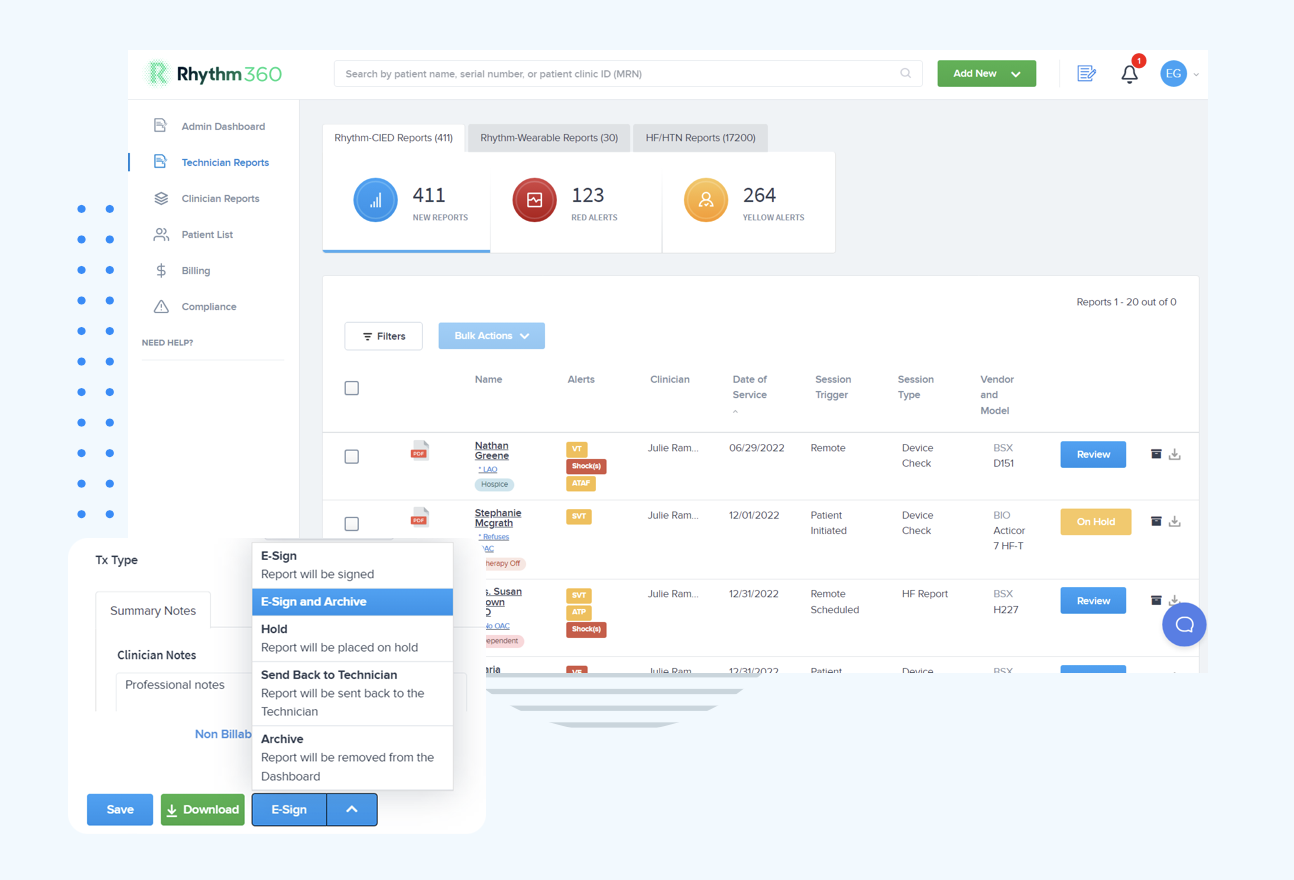
Cardiology practices using Rhythm360 report higher RPM revenue through more complete CPT code capture and faster responses to critical alerts, often up to 80 percent faster. EHR integration removes most manual documentation and preserves audit-ready records that support both device monitoring and clinical management claims.
One 500-patient cardiology practice recovered a large volume of previously denied RPM claims after adopting Rhythm360’s automated documentation. The team achieved consistent, compliant billing for both 99454 device monitoring and 99457 clinical management across CIED and heart failure populations. Schedule a demo today to see how Rhythm360 can strengthen RPM compliance and revenue capture in your practice.
CPT 99457 covers the first 20 minutes of RPM treatment management services per month. CPT 99458 is an add-on code for each additional 20-minute block beyond the initial 20 minutes. Practices bill 99457 for the base clinical management time, then add 99458 when the total monthly time reaches 40 minutes or more.
CPT 99453 is a one-time code for initial setup and patient education when RPM services begin. CPT 99454 is the recurring monthly code for device supply and data transmission. Practices bill 99453 once per patient for onboarding, then bill 99454 each month when at least 16 days of data transmission occur.
The national average reimbursement rate for CPT 99454 in 2026 is about $47, which is similar to prior years. New code 99445 pays the same rate for shorter monitoring periods of 2 to 15 days. Actual payment amounts vary by region and payer contracts.
CPT 99454 requires at least 16 calendar days of automatic data transmission within a 30-day billing period. Patients with fewer than 16 days of data should be billed with new 2026 code 99445, which covers 2 to 15 days of monitoring at the same approximate reimbursement rate.
CPT 99454 and 99457 can be billed together each month for the same patient because they describe different services. Code 99454 covers device supply and data transmission, while 99457 covers clinical management and patient interaction. This structure allows practices to capture revenue for both technical and clinical RPM work.
Master the differences between CPT 99454 and 99457 with 2026-compliant automation through Rhythm360’s RPM platform. Schedule a Rhythm360 demo today to automate compliant RPM billing and increase cardiology practice revenue.