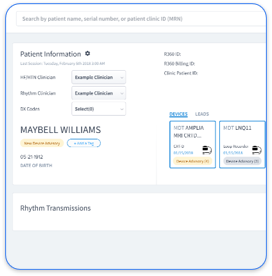
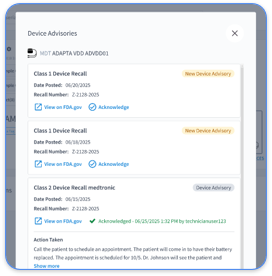
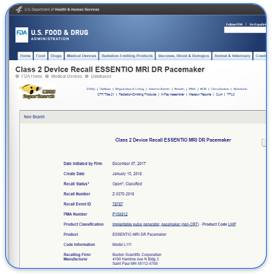
The 2018 ACC/AHA/HRS Guideline on the Evaluation and Management of Patients With Bradycardia and Cardiac Conduction Delay endorses remote monitoring for routine pacemaker surveillance. The guidelines call for systematic evaluation of battery status, pacing thresholds, lead impedance, and arrhythmia detection capabilities. Remote monitoring supports early detection of device malfunctions and clinical events between scheduled appointments, which reduces emergency interventions and unplanned visits.
The guidelines describe a phased approach to follow-up that increases monitoring intensity as devices approach ERI and RRT. The table below highlights how surveillance focus shifts across the device life cycle, underscoring why early, consistent monitoring reduces risk during the ERI/RRT period.
| Follow-Up Component | Initial Period | Routine Monitoring | ERI/RRT Period |
|---|---|---|---|
| Battery Assessment | Early post-implant | Regular intervals | Increased frequency |
| Lead Function | Early post-implant | Regular intervals | Increased frequency |
| Arrhythmia Detection | Early post-implant | Regular intervals | Increased frequency |
Remote monitoring enables practices to scale their patient populations while maintaining guideline compliance and consistent surveillance quality. See how Rhythm360 streamlines ACC/AHA/HRS protocols in your environment.
Modern cardiology practices manage complex ecosystems involving electrophysiologists, device technicians, clinic administrators, and multiple original equipment manufacturers (OEMs). This multi-stakeholder environment becomes exponentially more complex when each manufacturer maintains separate data portals, which creates operational silos and fragments patient information across Medtronic, Abbott, Boston Scientific, and Biotronik systems. These silos directly contribute to alert fatigue, missed critical events, and billing documentation gaps that now affect practices attempting to scale remote monitoring after the 2018 guideline implementation.
Clinics must balance clinical quality, regulatory compliance, and financial performance while working inside this fragmented infrastructure. Vendor-neutral platforms emerge as a practical response, because they centralize data flows and support consistent workflows across all device types.
The guidelines provide clear recommendations for pacemaker surveillance based on device longevity and patient risk stratification. Initial post-implant monitoring verifies proper lead positioning and device programming. Routine surveillance then occurs at regular intervals, with remote monitoring often selected for efficiency and patient convenience, while ERI and RRT periods require intensified follow-up.
The phased framework below summarizes how monitoring frequency and clinical focus evolve across the device life cycle. This view complements the earlier follow-up component table by concentrating on method and clinical priorities rather than individual parameters.
| Monitoring Phase | Frequency | Primary Method | Key Assessments |
|---|---|---|---|
| Initial | Early post-implant | In-person | Lead maturation, threshold adjustment, device programming review |
| Routine | Regular intervals | Remote monitoring | Battery status, arrhythmia detection, lead integrity trends |
| ERI/RRT | Increased frequency | Enhanced surveillance | Battery depletion monitoring, replacement planning |
Remote monitoring delivers continuous surveillance that often surpasses traditional in-person visits for detecting asymptomatic device malfunctions and arrhythmias. The guidelines highlight remote monitoring as a preferred approach for routine surveillance, because it identifies issues between scheduled appointments. This early visibility supports proactive intervention before clinical deterioration and unplanned hospitalizations.
Elective replacement indicator (ERI) and recommended replacement time (RRT) periods require intensified surveillance protocols. Key indicators include voltage decline patterns, impedance changes, and pacing threshold variations that signal impending battery depletion. Consistent tracking of these parameters supports timely replacement decisions and reduces the risk of sudden loss of therapy.
Pacemaker-dependent patients require enhanced monitoring protocols because they rely on device function for survival. Patients with device infections, lead complications, or complex arrhythmias also need individualized surveillance strategies that may deviate from standard guideline intervals. Managing this level of individualization across multiple device manufacturers introduces the technology decisions that practices now face.
Healthcare organizations now weigh centralized vendor-neutral platforms against manufacturer-specific portals. OEM-based systems create data silos that fragment patient information and increase administrative burden for staff who must log into multiple portals and reconcile reports. Vendor-neutral solutions like Rhythm360 consolidate multi-manufacturer data streams and apply AI-powered alert triage to reduce clinical noise and support faster, more confident decision-making.
This consolidated, noise-reduced data becomes actionable through mobile accessibility and EHR integration capabilities that deliver the right information to the right clinician at the right time. These connected workflows create efficiency and reliability that traditional, portal-based systems cannot match. Compare vendor-neutral RPM against your current pacemaker follow-up workflow.
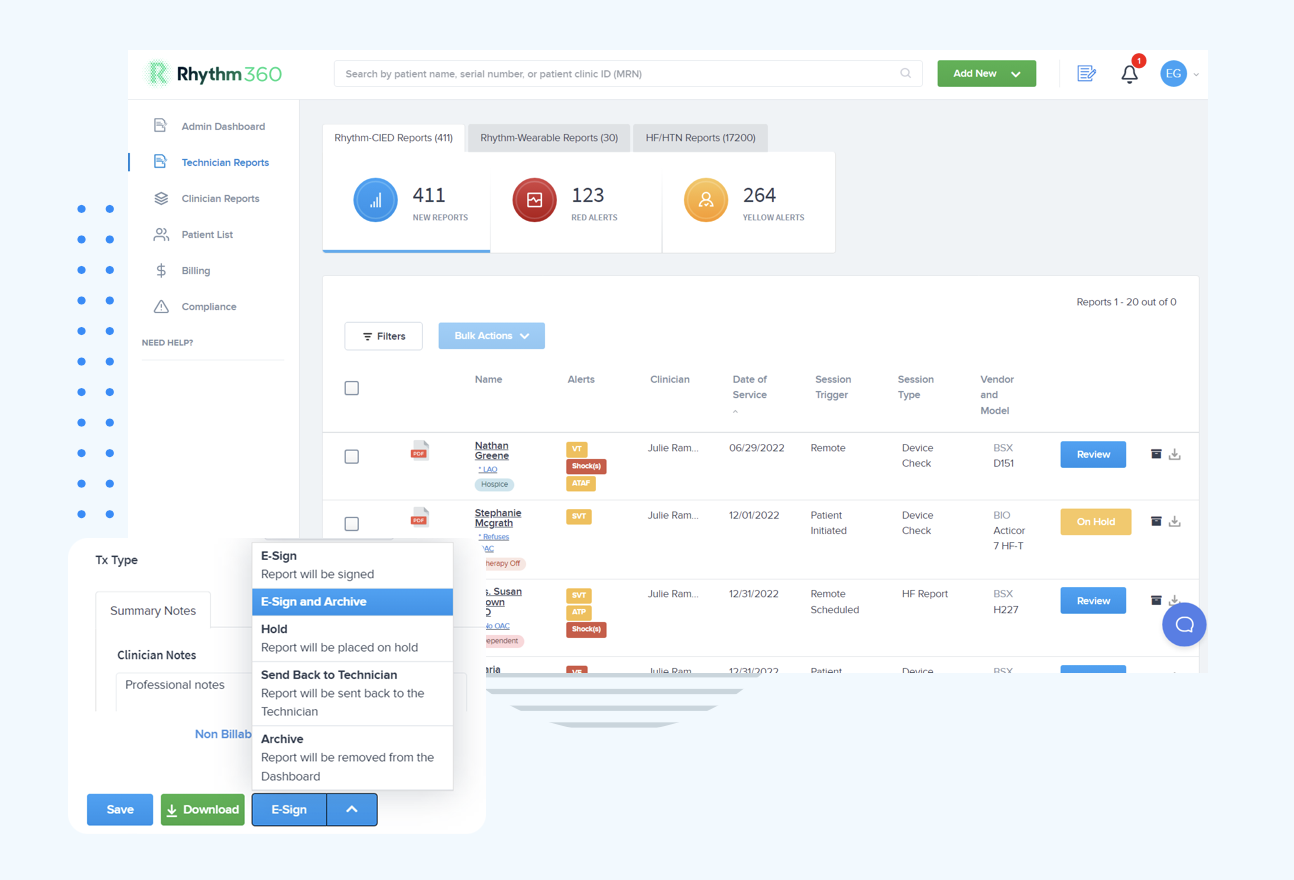
Successful RPM implementation starts with a structured assessment of existing data infrastructure, staff workflows, and billing processes. Organizations review current OEM portal usage, identify data integration requirements, and define clinical protocols that align with ACC/AHA/HRS recommendations. This preparation ensures that technology, staffing, and documentation all support the same monitoring strategy.
Rhythm360’s onboarding process includes EHR integration setup, staff training modules, and automated workflow configuration. Most practices complete this transition within days to weeks, rather than the months often associated with custom IT projects, which accelerates time to value.
Multi-vendor environments often create operational inefficiencies that affect both patient safety and financial performance. Fragmented data systems contribute to missed critical alerts, delayed clinical responses, and documentation gaps that result in billing denials. Studies indicate that practices using disparate OEM portals experience higher rates of missed arrhythmia detection and delayed device malfunction identification.
Rhythm360’s unified dashboard, with greater than 99.9% data transmissibility and 80% faster alert response times, addresses these systemic challenges while capturing revenue that previously went unbilled. Centralized visibility and standardized workflows reduce risk and support consistent, guideline-aligned care.
Key performance indicators for guideline-aligned pacemaker follow-up include alert response times, documentation completeness, and CPT code capture rates. CPT code 93296 for remote device evaluation requires clear documentation of clinical decision-making and device programming adjustments. Practices also need reliable records of patient communication and follow-up actions.
Rhythm360’s automated reporting and integrated billing support help practices achieve up to 300% revenue increases through stronger CPT code capture and more efficient workflows. Request a revenue impact analysis tailored to your pacemaker population.
The 2018 ACC/AHA/HRS guidelines recommend initial pacemaker follow-up in the weeks after implantation, followed by routine monitoring at regular intervals with remote monitoring as the preferred method. During elective replacement indicator (ERI) periods, monitoring frequency increases to support timely device replacement before battery depletion.
The 2018 ACC/AHA/HRS guidelines support remote monitoring for routine pacemaker surveillance as a standard approach. This strategy improves detection of device malfunctions and arrhythmias between scheduled visits and supports earlier intervention.
Pacemaker battery monitoring involves systematic assessment of voltage levels, impedance measurements, and pacing threshold changes. During routine monitoring, battery status evaluation focuses on trending analysis to predict longevity and plan replacement. ERI and RRT periods require intensified monitoring with detailed documentation of voltage decline patterns and threshold variations that indicate upcoming replacement needs.
The 2018 ACC/AHA/HRS guidelines define monitoring frequencies and clinical protocols but do not describe specific approaches to multi-manufacturer data integration challenges. Practices that manage devices from multiple OEMs benefit from vendor-neutral platforms that consolidate data streams while maintaining guideline compliance across all manufacturer systems.
Accurate documentation of remote monitoring activities supports CPT code 93296 billing for device evaluation with clinical decision-making. The guidelines emphasize documented clinical assessment, device programming adjustments when indicated, and patient communication regarding findings. Comprehensive documentation supports reimbursement compliance and reinforces quality patient care.
The 2018 ACC/AHA/HRS pacemaker follow-up guidelines provide a clear clinical framework for modern cardiac device management and highlight the advantages of remote monitoring for routine surveillance. Effective execution of these recommendations requires vendor-neutral platforms that consolidate multi-OEM data streams and provide AI-powered clinical decision support. Rhythm360’s comprehensive solution addresses the operational barriers to guideline compliance while improving both patient outcomes and practice profitability.
The platform’s proven performance, including the response time and revenue improvements detailed above, shows how structured RPM programs can transform pacemaker follow-up. Schedule a demo to turn ACC/AHA/HRS pacemaker follow-up guidelines into scalable, profitable workflows for your team.