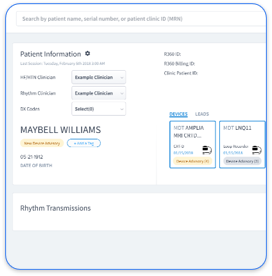
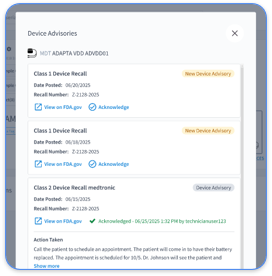
Cardiovascular practices that manage patients with multiple device manufacturers face an operational nightmare. Clinicians must navigate separate portals such as Medtronic MyCareLink, Boston Scientific LATITUDE, and Abbott Merlin.net. This fragmented workflow creates administrative chaos that consumes more than 20 hours per week in manual data retrieval. The fragmentation also generates overwhelming alert volumes that bury critical events like ventricular tachycardia, new-onset atrial fibrillation, or significant weight gain indicating fluid retention.
The clinical consequences are severe. Alert fatigue delays critical interventions, and missed decompensation events contribute to heart failure readmissions that cost the healthcare system billions annually. Financial impacts compound these clinical risks, because practices struggle to capture billable remote patient monitoring (RPM) events under 2026 Medicare guidelines.
Key pain points include:
Artificial intelligence changes heart failure monitoring by analyzing multiple digital biomarkers at the same time to predict decompensation events before clinical symptoms appear. AI algorithms process thoracic impedance, heart rate variability, activity levels, and respiratory patterns from implanted devices. These systems then generate predictive alerts that support proactive interventions.
Boston Scientific's HeartLogic algorithm illustrates this approach. It combines multiple physiological parameters into a composite index that demonstrates 92% sensitivity for detecting heart failure events weeks before traditional symptoms emerge. Single-vendor solutions, however, limit clinical flexibility and keep data locked in silos.
| Metric | HeartLogic (Boston Scientific) | Vendor-Neutral AI (Rhythm360) |
|---|---|---|
| Sensitivity | 92% | High multi-signal accuracy |
| Multi-OEM Support | Boston Scientific only | All major manufacturers |
| Alert Fatigue Reduction | Moderate | About 80% reduction, as reported by Rhythm360 users |
Vendor-neutral platforms such as Rhythm360 extend AI capabilities across all device manufacturers. They provide comprehensive heart failure monitoring that unifies Medtronic, Boston Scientific, Abbott, and Biotronik data into intelligent, actionable alerts.
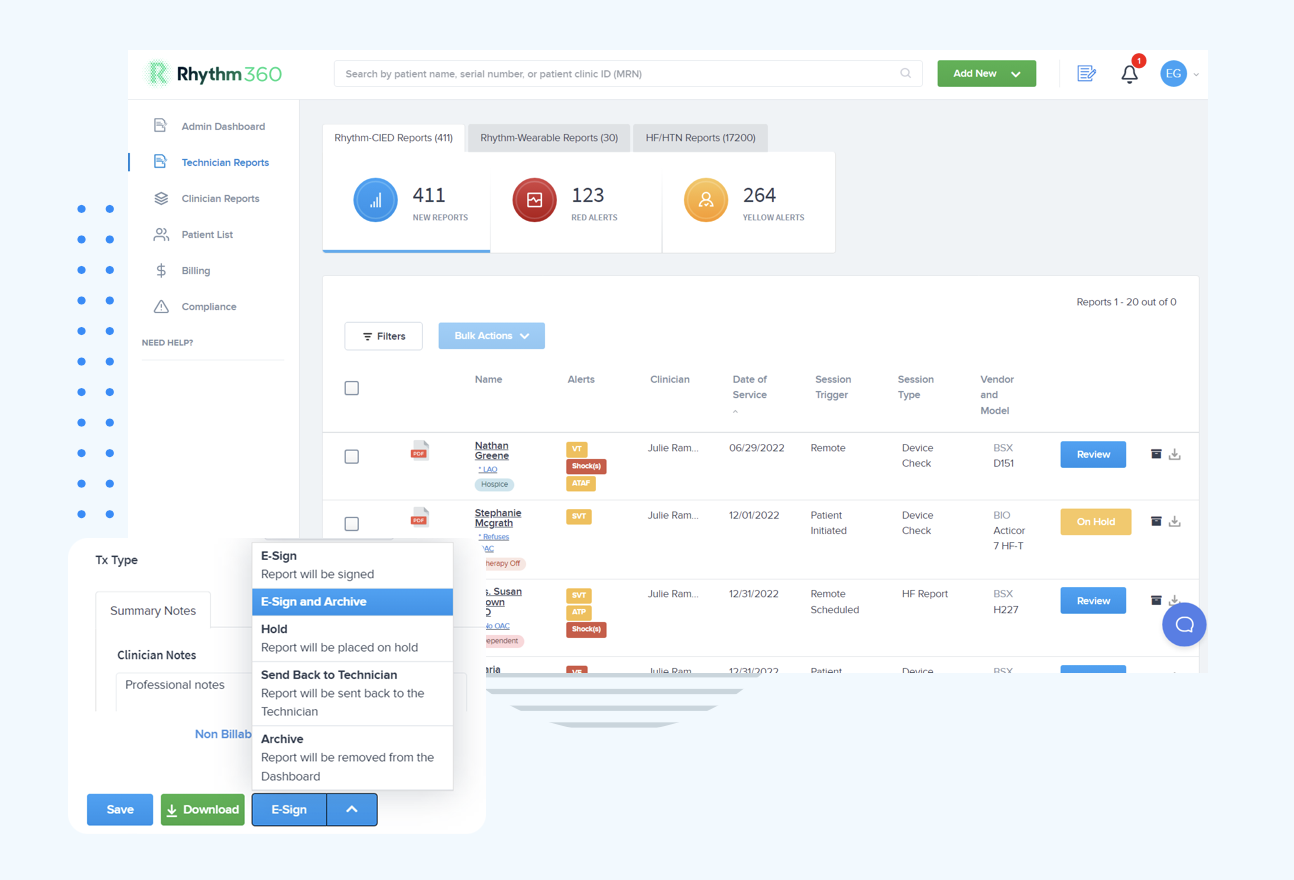
Modern AI systems for heart failure monitoring analyze multiple physiological parameters and generate four primary alert categories.
These AI-driven insights allow clinicians to move from reactive crisis management to proactive heart failure care. Teams can prevent hospitalizations while using staff and resources more efficiently. Schedule a demo to see how AI alerts can reshape your heart failure monitoring workflow.
Single-vendor AI solutions cannot provide a complete patient view when practices use multiple device manufacturers. Clinics that rely on devices from Medtronic, Boston Scientific, and Abbott must maintain separate monitoring systems. This separation creates dangerous gaps in patient surveillance and overwhelms clinicians with fragmented alerts.
Vendor-neutral platforms such as Rhythm360 address this challenge through sophisticated data integration technologies, including APIs, HL7 interfaces, and computer vision-powered PDF parsing. This approach achieves more than 99.9% reliable data transmission while consolidating all cardiac device information into unified patient records.
| Workflow Metric | Legacy Systems | Rhythm360 |
|---|---|---|
| Alert Response Time | 5 to 10 days | About 80% faster |
| Multi-OEM Support | Single vendor only | All major manufacturers |
| Alert Fatigue Reduction | Minimal | Approximately 80% reduction in non-actionable alerts |
The platform's mobile application allows clinicians to respond to critical alerts from anywhere, which prevents missed events during off-hours. This comprehensive approach removes the administrative burden of managing multiple OEM portals and supports better clinical oversight through AI-powered alert prioritization.
AI-enhanced heart failure monitoring delivers measurable improvements across clinical, operational, and financial metrics. Clinical studies demonstrate significant reductions in hospitalizations and emergency department visits when AI algorithms guide proactive interventions.
Revenue performance also improves, especially under 2026 Medicare guidelines. The RPM billing codes mentioned earlier provide substantial reimbursement opportunities for practices that run comprehensive heart failure monitoring programs.
A typical success scenario involves Saturday morning detection of new-onset atrial fibrillation through AI alert prioritization. The clinician receives immediate notification instead of waiting until Monday for routine review. The team initiates anticoagulation protocols and reduces the risk of stroke complications.
This proactive approach shows how AI can shift heart failure care from reactive crisis management to preventive medicine. Practices also gain operational advantages.
Operational benefits include:
Successful AI alert implementation depends on solid technical infrastructure, regulatory compliance, and thoughtful workflow integration. HIPAA compliance remains essential. Platforms must provide strong encryption, audit trails, and access controls that protect patient data across every touchpoint.
Starting January 1, 2026, Medicare allows RPM billing for data collected 2 to 15 days in a 30-day period under new codes, whereas existing codes require at least 16 days. This change creates specific documentation requirements for CPT code 99454 and related services. Automated data capture and billing compliance features therefore become essential for any monitoring platform.
To meet these requirements while addressing the clinical challenges described earlier, practices should prioritize the following capabilities when selecting an AI monitoring platform:
Onboarding typically takes days to weeks instead of months. Cloud-based platforms support rapid deployment and require minimal internal IT infrastructure.
AI alerts now define the future of heart failure monitoring by turning fragmented, reactive workflows into unified, proactive care delivery systems. Vendor-neutral platforms such as Rhythm360 remove data silos, cut alert fatigue, and help practices capture revenue that previously went unbilled through stronger RPM documentation.
The combination of predictive analytics, comprehensive device integration, and mobile accessibility creates new opportunities to improve patient outcomes while strengthening practice profitability. Schedule a demo to see how AI-powered heart failure monitoring can reshape your cardiovascular practice.
AI algorithms analyze multiple digital biomarkers, including thoracic impedance, heart rate variability, activity levels, and respiratory patterns from implanted cardiac devices. These systems create composite indices that detect physiological changes weeks before clinical symptoms appear. Clinicians can then intervene earlier, prevent hospitalizations, and improve patient outcomes.
HeartLogic is Boston Scientific's proprietary AI algorithm that combines multiple physiological parameters from their cardiac devices into a single predictive index. The system monitors thoracic impedance, heart rate variability, respiratory rate, and activity levels. It generates alerts when patients show signs of impending heart failure decompensation, typically providing one to two weeks of advance warning.
Vendor-neutral AI platforms consolidate data from all device manufacturers into unified patient records, which removes the need to monitor multiple separate portals. Advanced algorithms filter non-actionable alerts and prioritize clinically significant events. Practices report up to about 80% reductions in overall alert volume while ensuring that critical events receive immediate attention.
Rhythm360 offers bi-directional integration with major EHR systems, including Epic, Cerner, Athenahealth, eClinicalWorks, and Greenway Health, through HL7 interfaces. This integration supports automatic data flow between the monitoring platform and clinical documentation systems. Teams gain streamlined workflows and more complete patient records.
Practices that implement comprehensive AI-powered heart failure monitoring often see about 300% increases in RPM revenue through stronger capture of Medicare billing codes. Under 2026 guidelines, key codes include 99454 for device data collection, 99457 for care management, and 99453 for initial setup. These codes provide meaningful reimbursement opportunities for proactive heart failure care.