Cardiac telemetry RPM shifts hypertension management from reactive office visits to proactive continuous monitoring, which improves blood pressure control and reduces cardiovascular events.
AI-powered systems deliver real-time alerts for hypertensive crises, medication non-adherence, and arrhythmias, creating dramatically faster clinical responses.
Vendor-neutral platforms unify data from multiple device manufacturers, EHRs, and billing systems, eliminating silos and increasing revenue through CPT codes such as 99453-99457.
Implementation follows a clear 5-step framework: onboarding, data ingestion, AI triage, mobile dashboards, and automated EHR and billing integration for scalable programs.
Practices see significant revenue growth and stronger patient outcomes with Rhythm360's interoperable platform, which unifies data and streamlines hypertension telemetry workflows.
Remote patient monitoring replaces episodic hypertension care with continuous data streams. RPM systems collect blood pressure readings, heart rate variability, and rhythm data through home monitoring devices, wearable sensors, and implantable cardiac devices such as CardioMEMS monitors. These data points transmit automatically to clinical platforms where AI algorithms separate actionable alerts from routine measurements.
The clinical evidence supporting telemonitoring approaches continues to strengthen, with recent trials demonstrating significant improvements in blood pressure control rates compared to standard care protocols. These improvements arise from the technology's ability to detect hypertensive crises, medication non-adherence, and cardiovascular events that might otherwise go unnoticed between office visits. The following comparison shows how remote cardiac telemetry differs from standard office care in clinical approach and revenue structure.
Monitoring Approach | Key Benefit | Clinical Outcome | Revenue Model |
|---|---|---|---|
Remote Cardiac Telemetry | Continuous monitoring | Improved BP control | Remote telemetry codes (see FAQ for CPT details) |
Standard Office Care | Direct patient contact | Limited visibility | Traditional visits |
The integration of cardiac telemetry with hypertension management creates opportunities for preventive interventions, fewer hospitalizations, and stronger patient engagement. CMS reimbursement expansions for RPM services now make these programs financially viable for practices of all sizes. See how Rhythm360 maximizes RPM reimbursement through automated billing documentation and precise CPT code compliance.
While the clinical case for cardiac telemetry is compelling, successful implementation requires navigation of a complex healthcare ecosystem with multiple stakeholders and fragmented data systems.
The hypertension telemonitoring ecosystem involves electrophysiologists, cardiologists, practice administrators, device manufacturers, EHR vendors, and payers. Each group works within distinct workflows and data requirements, which creates integration challenges that fragment patient care.
Device manufacturers such as Medtronic, Abbott, and Boston Scientific maintain separate portals for their cardiac implantable devices, forcing clinical staff to navigate multiple systems for comprehensive patient assessment. EHR systems such as Epic and Cerner require specific data formatting for seamless integration, while billing departments depend on automated documentation for CPT code compliance. These silos create administrative burden, increase error rates, and delay critical interventions for hypertensive patients with comorbid cardiac conditions. Overcoming these integration challenges requires a systematic implementation approach that unifies disparate data sources from the outset.
Successful cardiac telemetry implementation for hypertension management follows a structured five-step process. First, patient onboarding covers device selection and training, including home blood pressure cuffs, wearable monitors, and integration with existing cardiac implantable devices. Once devices are deployed, data ingestion systems must capture information from these multiple sources using APIs, HL7 interfaces, XML, and computer vision technology to achieve greater than 99.9% data transmissibility and high data accuracy.
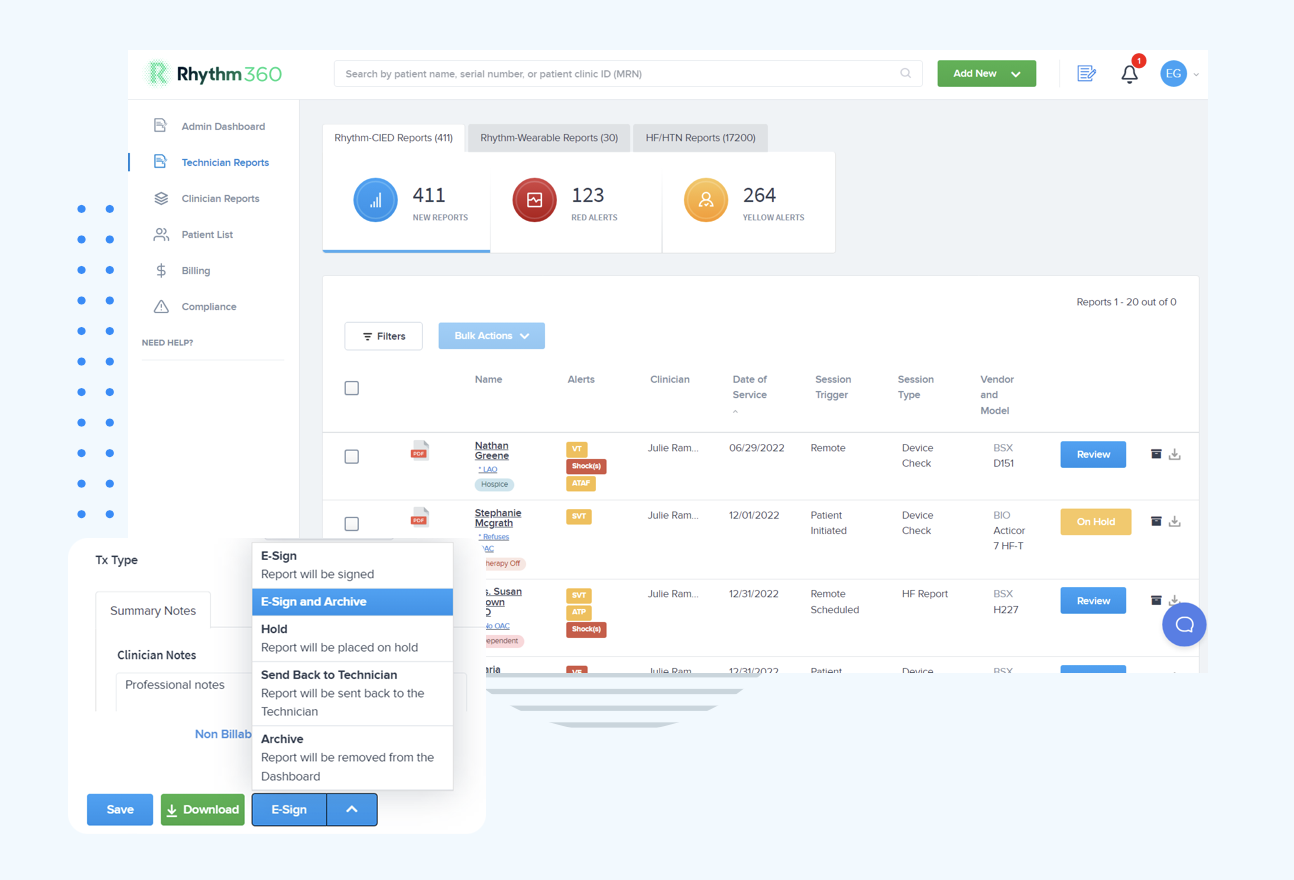
After reliable data ingestion is in place, AI-powered triage systems analyze incoming data streams to identify clinically significant events such as blood pressure spikes, new-onset atrial fibrillation, or device malfunctions. Clinicians then use mobile dashboard access to review prioritized alerts and coordinate care from any location, which supports timely interventions without tethering staff to a single workstation. Finally, automated EHR integration and billing documentation maintain CPT code compliance and reduce administrative overhead, which supports program scalability.
Resistant hypertension cases require specialized monitoring protocols with defined thresholds and response procedures. The table below maps specific blood pressure readings to alert triggers and clinical actions, which illustrates how telemetry supports graduated responses based on severity.
BP Threshold | Alert Trigger | Clinical Action | Monitoring Frequency |
|---|---|---|---|
140/90 mmHg | Sustained elevation | Medication adjustment | Daily monitoring |
160/100 mmHg | Immediate alert | Same-day intervention | Continuous monitoring |
180/110 mmHg | Critical alert | Emergency evaluation | Real-time monitoring |
Rhythm360's vendor-neutral platform consolidates data from multiple device manufacturers and monitoring systems, which enables comprehensive management of patients with both hypertension and heart failure. The system delivers the response time improvements detailed in the metrics section below through intelligent filtering and prioritization algorithms.
Telemonitoring platform selection directly affects hypertension program reach, workflow, and long-term economics. Vendor-neutral solutions such as Rhythm360 provide interoperability across multiple device manufacturers, which allows practices to serve patients with diverse cardiac implantable devices and monitoring equipment. OEM-locked systems restrict data access to specific manufacturer portals, which can limit flexibility as device mixes evolve.
These choices involve trade-offs between upfront integration complexity and long-term scalability and financial performance. Vendor-neutral platforms such as Rhythm360 require initial setup across multiple data sources but can deliver up to 300% increases in revenue or profitability through comprehensive billing capture and workflow automation. Implementation timelines range from days to weeks, depending on EHR integration requirements and staff training needs, so practices should align vendor selection with internal readiness and growth goals.
Practice readiness assessment starts with evaluation of current device manufacturer mix, EHR system compatibility, and staff technical capabilities. Essential prerequisites include Epic or Athenahealth integration capabilities, a multi-OEM device population, and dedicated clinical staff for program oversight.
Phased rollout typically begins with Week 1 data unification across existing monitoring systems, followed by Week 2 alert configuration and staff training. Case studies show practices achieving significant revenue increases through stronger CPT code capture and expanded patient monitoring capacity, especially when teams standardize workflows early in the rollout.
Data silos represent a major barrier to effective hypertension telemonitoring because they cause missed critical events and delayed interventions. Alert fatigue from poorly configured notification systems overwhelms clinical staff and reduces response effectiveness. Billing documentation gaps create claim denials and revenue leakage that undermine program sustainability.
Rhythm360 addresses these challenges through AI-powered alert filtering, automated documentation generation, and unified data presentation. The platform's intelligent triage system prevented a weekend stroke by flagging new-onset atrial fibrillation in a hypertensive patient, which enabled immediate anticoagulation therapy and timely follow-up.
Clear performance measurement links hypertension telemonitoring programs to clinical, operational, and financial outcomes. Key metrics include blood pressure control rates, alert response times, patient adherence levels, and revenue capture efficiency, which together show whether the program delivers sustainable value.
Category | Metric | Improvement Target | Measurement Method |
|---|---|---|---|
Clinical | BP control rate | 70%+ target achievement | Monthly assessment |
Operational | Alert response time | 80% reduction | System analytics |
Financial | Revenue increase | 300% improvement | Billing analysis |
Cardiac telemetry for hypertension management uses continuous remote monitoring of blood pressure, heart rate, and cardiac rhythm through connected devices such as home blood pressure cuffs, wearable sensors, and implantable cardiac devices. The system transmits data automatically to clinical platforms where AI algorithms analyze patterns and generate alerts for significant changes that require intervention.
Telemonitoring becomes essential for patients with sustained blood pressure readings of 140/90 mmHg or higher, particularly those with resistant hypertension, multiple cardiovascular risk factors, or existing cardiac implantable devices. The technology supports early detection of blood pressure spikes, medication non-adherence, and cardiovascular events that occur between office visits.
Clinical benefits include improved blood pressure control rates, fewer cardiovascular events, and stronger patient engagement through continuous monitoring. Operational advantages include faster alert response, automated documentation, and streamlined workflows. Financial benefits reflect the revenue improvements detailed in the strategic considerations section, supported by accurate CPT code billing and expanded monitoring capacity.
Rhythm360 integration typically requires days to weeks, depending on practice size, EHR system complexity, and existing device manufacturer mix. The implementation process includes data source configuration, staff training, and workflow optimization. Practices usually achieve full operational status within weeks of initial setup.
Remote cardiac telemetry commonly utilizes CPT 93228-93229 for remote monitoring services. Remote patient monitoring for hypertension uses CPT codes 99453-99457 for device setup, data collection, and clinical interpretation. Additional codes 93298-93299 apply to cardiac implantable device monitoring when patients have both hypertension and rhythm management devices. Proper documentation ensures optimal reimbursement for comprehensive monitoring services.
Cardiac telemetry transforms hypertension management through continuous monitoring, AI-powered alerts, and seamless workflow integration. The technology supports proactive interventions, reduces cardiovascular events, and generates substantial ROI through accurate billing and operational efficiency. Rhythm360 leads the vendor-neutral platform market by unifying data from multiple device manufacturers while providing comprehensive EHR integration and mobile access capabilities.
Success in cardiac telemetry implementation depends on strategic planning, staff training, and technology partners committed to interoperability and clinical excellence. The investment in comprehensive monitoring infrastructure delivers measurable improvements in patient outcomes, operational efficiency, and practice profitability. Explore how Rhythm360's proven platform can support your cardiac telemetry hypertension management program and align it with your clinical and financial goals.