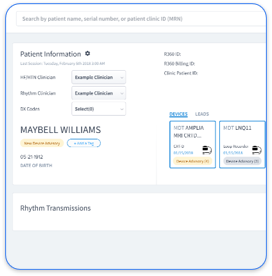
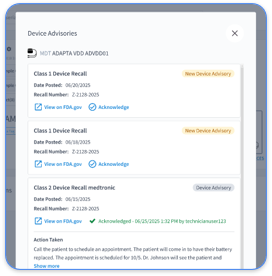
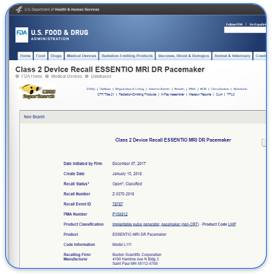
Cardiac telemetry mobile access uses HIPAA-secure mobile applications and web-based dashboards that let clinicians remotely review, analyze, and act on cardiac implantable electronic device (CIED) transmissions and mobile cardiac outpatient telemetry (MCOT) data from smartphones and tablets. This technology removes the traditional requirement for clinicians to log into multiple, fragmented OEM portals from fixed workstations.
The table below highlights how mobile cardiac telemetry compares with traditional Holter monitoring across duration, mobility, alerts, and arrhythmia detection. These differences explain why mobile access has become central to modern rhythm management workflows.
| Feature | Mobile Cardiac Telemetry | Holter Monitor |
|---|---|---|
| Monitoring Duration | Up to 30 days continuous | 24-48 hours typically |
| Patient Mobility | Full mobility during daily activities | Limited mobility, activity restrictions |
| Real-time Alerts | Rapid provider notification | No real-time alerts, post-analysis only |
| Arrhythmia Detection Yield | Higher yield with emergent notifications | Lower yield due to shorter duration |
Mobile access delivers faster response times for critical alerts, which directly improves patient outcomes. This speed advantage also supports accurate CPT code billing (93298 and 99454) by enabling timely documentation, while seamless EHR integration reduces duplicate data entry. Vendor-neutral platforms like Rhythm360 amplify these benefits by unifying data from multiple device manufacturers into a single, AI-powered dashboard. Ready for seamless mobile access? See how Rhythm360 unifies your device data in a live demonstration.
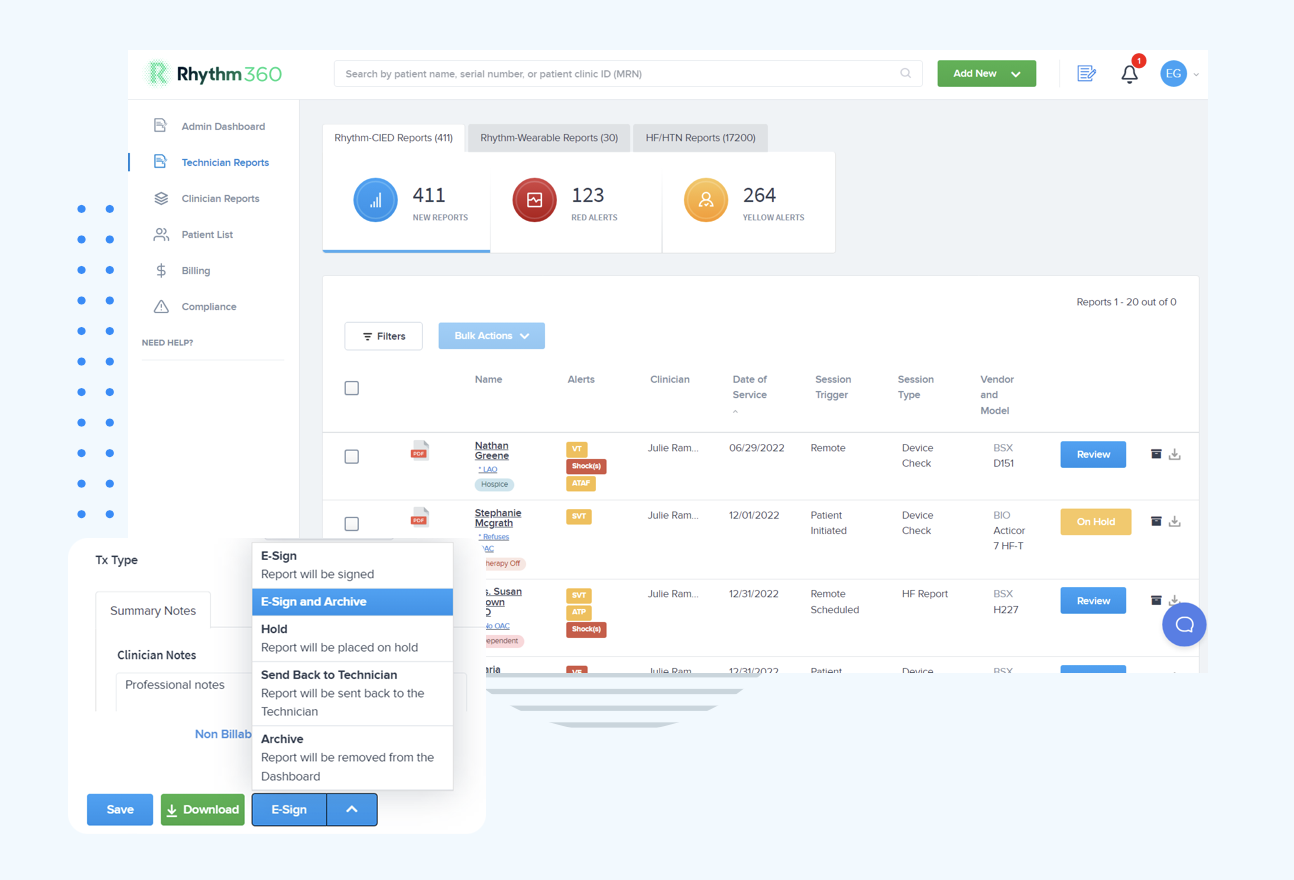
The cardiac telemetry ecosystem includes electrophysiologists, cardiologists, practice administrators, device manufacturers (Medtronic, Abbott, Boston Scientific, Biotronik), EHR systems (Epic, Cerner), and remote patient monitoring billing frameworks. The shift from fragmented OEM portals to unified AI platforms marks a major move toward vendor-neutral, mobile-enabled care delivery. Longstanding challenges involve data silos, on-call access gaps, and missed revenue opportunities.
Recent clinical data shows that roughly 15% to 20% of mobile cardiac telemetry patients trigger emergent notifications that require immediate clinical intervention. This rate underscores the critical need for instant clinician access to prevent adverse cardiovascular events. Mobile access platforms sit at the center of this ecosystem by connecting device data, clinical workflows, and billing processes in real time.
Modern cardiac telemetry mobile access relies on a structured data ingestion and alert management workflow. The system captures device transmissions through API connections, HL7 interfaces, and computer vision-enabled PDF parsing. AI algorithms then perform real-time triage and flag clinically significant events such as atrial fibrillation, ventricular tachycardia, and device malfunctions. Mobile push notifications reach clinicians for critical events and support immediate review and electronic signature approval.
The operational sequence follows five key steps:
Rhythm360 achieves >99.9% data reliability through redundant transmission pathways and bi-directional EHR integration. Consider a weekend scenario where a patient develops new-onset atrial fibrillation. The system immediately alerts the on-call electrophysiologist, who reviews the rhythm strip on a smartphone and starts anticoagulation protocols within hours. This rapid response can prevent a stroke and demonstrates the clinical value of mobile access.
Practices face a strategic choice between OEM-specific mobile applications and vendor-neutral platforms when they roll out cardiac telemetry mobile access. OEM applications such as Medtronic MyCareLink and the Philips MCOT app provide device-specific functionality but create data silos when practices work with multiple manufacturers. Vendor-neutral platforms like Rhythm360 provide unified access across all device types, although they require an initial integration effort.
Key trade-offs involve cost structure, multi-vendor compatibility, and the strength of AI-powered alert filtering that reduces clinician fatigue. Fixed OEM fees often contrast with flexible SaaS pricing models, while unified platforms simplify access across mixed device fleets. Selection criteria should focus on mobile accessibility, HIPAA compliance, EHR integration capabilities, and concrete revenue gains such as improved CPT capture. Discover how Rhythm360 unifies telemetry access across all device manufacturers in a personalized demonstration.
Successful implementation starts with a clear assessment of EHR compatibility, staff technical readiness, and patient population needs. Practices should review existing device manufacturer relationships, current billing workflows, and mobile device policies to understand their baseline. Once these readiness factors are clear, Rhythm360’s phased implementation typically takes days to weeks and follows a structured approach that addresses each area systematically.
Common implementation challenges include over-dependence on single OEM solutions, poor mobile user experience design, and inadequate billing workflow integration. Left unaddressed, these issues can cause missed critical events, persistent alert fatigue, and revenue leakage from uncaptured CPT codes. Each risk ties directly to patient safety, clinician satisfaction, or financial performance.
Mitigation strategies address each challenge systematically: selecting vendor-neutral platforms with proven AI alert filtering reduces OEM dependence, ensuring robust mobile interfaces that match clinical workflows lowers alert fatigue, and implementing comprehensive billing automation captures revenue opportunities. Rhythm360’s AI-powered platform and intuitive mobile design help prevent these common pitfalls while easing clinician workload and reducing burnout.
Clear success metrics keep cardiac telemetry mobile access aligned with clinical and financial goals. Key measures include alert response time reduction with a target of less than 15 minutes for critical alerts, CPT code capture improvements with a target that matches the 300% revenue increase mentioned earlier, system uptime reliability with a target above 99.9%, and clinician satisfaction scores that trend upward over time.
Real-time dashboards should track patient compliance rates, frequency of critical event detection, and billing workflow efficiency from order to claim submission. These metrics connect directly to patient outcomes, staff workload, and practice revenue. Continuous improvement then involves refining alert thresholds, updating mobile interface features based on user feedback, and expanding EHR integration capabilities to cover more workflows. Explore Rhythm360’s analytics platform and see how it improves your cardiac monitoring workflow.
Cardiac telemetry mobile access refers to secure mobile applications and web platforms that let healthcare providers remotely monitor, review, and respond to cardiac device transmissions and patient data from smartphones, tablets, or other mobile devices. This technology gives clinicians access to critical cardiac information outside traditional office settings, which improves response times and supports continuous patient care.
Mobile cardiac telemetry supports extended monitoring periods of up to 30 days, compared with 24 to 48 hours for most Holter studies. It also provides real-time alert capabilities and greater patient mobility. Holter monitors require patients to return devices for post-analysis, while mobile cardiac telemetry sends immediate notifications of critical events and enables faster clinical intervention with better arrhythmia detection rates.
Most modern mobile cardiac telemetry devices support continuous wear during normal daily activities, including showering with waterproof models and driving. Patients should follow specific manufacturer guidelines and receive clear instruction on device care, activity restrictions, and emergency procedures during the monitoring period.
Medicare covers mobile cardiac telemetry under specific CPT codes (93228, 93229, 93268, 93270-93272) when medical necessity criteria are met. Typical indications include documented arrhythmia symptoms, syncope evaluation, or post-cardiac intervention monitoring. Coverage requires physician orders, appropriate documentation, and adherence to Medicare’s remote monitoring guidelines and billing requirements.
Rhythm360’s vendor-neutral platform integrates with all major CIED manufacturers (Medtronic, Abbott, Boston Scientific, Biotronik) through API connections, HL7 interfaces, and computer vision technology. This unified approach removes the need for multiple OEM portal logins and gives clinicians a single mobile interface for comprehensive device management and real-time alert monitoring.
Mobile access to cardiac telemetry data represents the next stage of proactive cardiovascular care by enabling clinicians to prevent adverse events through rapid response and unified AI-powered platforms. Rhythm360 leads this shift by delivering the vendor-neutral approach described earlier, which shortens critical alert response times and delivers the substantial revenue gains outlined above while maintaining the industry-leading reliability established through redundant transmission pathways. The combination of AI-driven alert triage and comprehensive mobile functionality positions practices for success in an increasingly complex cardiac care environment. Experience the future of cardiac telemetry mobile access with a personalized Rhythm360 walkthrough.