Inefficient cardiac telemetry monitoring creates significant clinical and financial risk. An average of about 350 alarms per patient per day contributes to cognitive overload, which strains clinicians and increases burnout and turnover.
Alert fatigue raises the risk of missed strokes, syncope, and unplanned hospitalizations when critical events blend into constant non-urgent alarms. Manual workflows also lead to lost revenue when teams do not capture billable remote monitoring services or do not meet CPT documentation requirements.
Many practices now face growing device data volumes and persistent staffing shortages, so improving telemetry efficiency has become a core strategy for maintaining care quality and financial stability.
Specialized cardiac telemetry efficiency tools reduce administrative work and simplify complex workflows. Automated data collection and reporting allow clinicians to spend more time on clinical decisions and less time on clerical tasks. Limited availability of skilled cardiac monitoring professionals creates a bottleneck for interpreting data, so tools that extend staff capacity are especially important.
These platforms support earlier detection of important events, reduce alert noise, and improve staff satisfaction. To see how this looks in practice, you can schedule a demo with Rhythm360 and review specific workflow examples.
Many teams still manage telemetry through separate portals from Medtronic, Boston Scientific, Abbott, and Biotronik. Staff log in and out of multiple systems to find a complete patient picture. The complexity of monitoring equipment and portals requires dedicated training, which increases onboarding time and ongoing support needs.
Telemetry overuse and poorly tuned alerts add cost and contribute to fragmented data. Non-actionable notifications make it harder for clinicians to identify the few events that truly require immediate intervention.
Modern telemetry solutions increasingly rely on AI and cloud infrastructure. AI-based rhythm classification supports faster review and better patient adherence, filtering out false positives while highlighting relevant episodes.
Cloud analytics streamline data access across locations. The LifeSignals UbiqVue 2AYe Holter System applies cloud ECG analytics to shorten technician review time, and the MicroPort SmartView Connect App supports remote monitoring of pacemakers and ICDs from outside the bedside environment. These approaches point toward more flexible, scalable telemetry workflows.
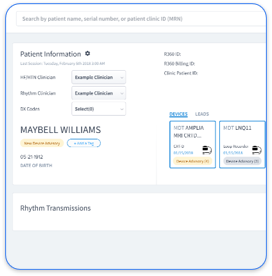
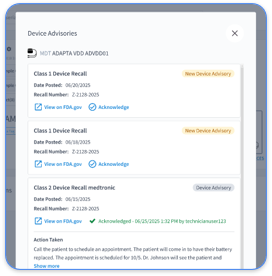
Rhythm360 is a vendor-neutral, AI-enabled platform that focuses on staff efficiency in cardiac telemetry and related monitoring programs. The system centralizes data, reduces manual steps, and supports both clinical and financial goals for cardiology practices.
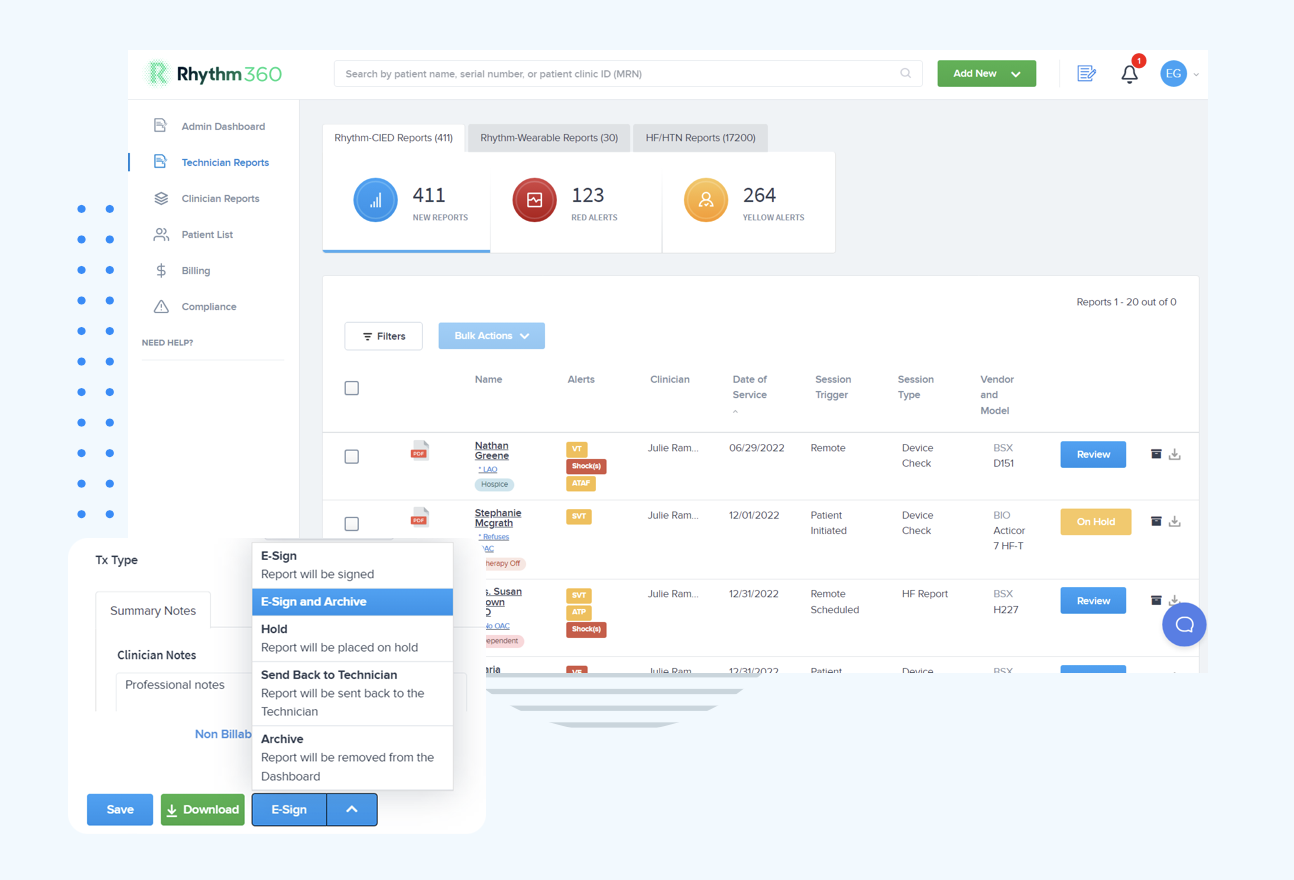
Teams that want to review these capabilities in the context of their own operations can request a Rhythm360 demo and see example workflows.
Effective adoption starts with a clear view of current workflows. Leaders should map how staff access data today, where delays occur, and which teams will be most affected by change. Success metrics often include time saved on data retrieval, shorter response times for urgent events, higher staff satisfaction, and higher rates of CPT code capture.
Custom in-house telemetry solutions require substantial development, upkeep, and integration work. Vendor-neutral platforms such as Rhythm360 provide established interfaces with common device manufacturers and electronic health records, which can shorten timelines. Rhythm360 typically onboards a practice within a few days to a few weeks, while custom builds may take years to reach similar capability.
Telemetry systems handle protected health information and device data, so security must be a core selection criterion. Cybersecurity risks in cardiac implantable electronic devices remain a significant concern. Platforms should document HIPAA compliance, provide strong encryption, support multi-factor authentication, and maintain audit trails so teams can trace who accessed which records and when.
Advanced telemetry solutions support a shift from reactive interventions to proactive management. Continuous analysis of rhythm trends, device diagnostics, and symptom reports helps clinicians identify deterioration earlier. Timely medication adjustments or scheduled follow up can reduce emergency visits and admissions for many patients.
Virtual monitoring adds flexibility for both clinicians and patients. Remote video and telehealth visits allow telemetry nurses to reach larger patient populations, including rural communities. When telehealth encounters link directly to device and RPM data in a unified platform, clinicians can make informed decisions without requiring in-person visits for routine follow up.
Many organizations underestimate the long-term impact of keeping separate OEM portals. Fragmented systems create ongoing administrative work and higher risk of missed critical alerts. Limited vendor support and infrequent software updates can also lead to missed billable events for remote monitoring codes, which affects revenue.
Alert fatigue often persists when teams rely on policy changes alone. Sustainable improvement usually requires technology that prioritizes alerts and removes noise. Adoption also depends on change management and training plans, since complex cardiac monitoring equipment requires specific training for effective use.
Operational delays can arise from slow triage, limited bed availability, or inconsistent monitoring rules. Gaps in triage and fragmented telemetry processes hinder timely access to critical information. Standardizing protocols through a unified platform reduces variation, clarifies responsibilities, and helps teams apply best practices across all monitored patients.
Decision makers often compare modern platforms to traditional manual workflows and single-vendor portals. The table below summarizes key differences that influence efficiency and outcomes.
Feature / System | Traditional Manual Workflows | Legacy OEM Portals | Rhythm360 (Modern AI-Powered Platform) |
Data aggregation | Fragmented, heavy manual entry | Disparate, multiple logins for each OEM | Unified data from all supported OEMs, AI-assisted parsing |
Alert management | High alert fatigue, greater risk of missed events | High volume alerts, limited prioritization tools | AI-driven triage, faster focus on high-risk events |
Reporting and documentation | Manual, time consuming, prone to errors | Basic reports, often separate from EHR and billing | Automated reports, EHR connectivity, structured CPT documentation |
Mobile access for clinicians | Limited or none | Typically restricted to specific workstations | Secure, HIPAA-compliant mobile access |
Revenue capture for CPT codes | Frequent leakage due to manual tracking | Partial coverage, manual reconciliation required | Automated event capture, potential for large gains in profitability |
Staff efficiency and burnout | Low efficiency, high risk of burnout | Low to moderate efficiency, persistent cognitive load | Higher efficiency by design, reduced repetitive work |
This comparison highlights how unified, AI-enabled platforms can reduce complexity and support practice growth compared with legacy approaches.
Cardiology practices in 2026 face rising telemetry data volumes, staffing constraints, and increasing expectations for timely, high-quality care. Efficient monitoring tools that centralize data, prioritize alerts, and automate documentation help address these pressures while supporting patient safety and financial health.
Rhythm360 brings device data from multiple manufacturers into one view, applies AI to alert management, and streamlines revenue capture workflows. Practices that want to explore these capabilities in detail can schedule a demo of Rhythm360 and evaluate how the platform aligns with their strategic goals for cardiac telemetry monitoring.