Cardiology clinics lose valuable time in multi-OEM portals and face alert fatigue, which increases the risk of missing VTach and AFib events that can cause strokes.
Seven practical strategies, including data consolidation, AI triage, mobile notifications, automated escalation, EHR integration, staff training, and metrics tracking, support significantly faster response times.
Rhythm360 unifies data from Medtronic, Abbott, and Boston Scientific in a single dashboard with >99.9% reliability, cutting response from hours to minutes.
AI-powered filtering removes non-actionable alerts, mobile apps support on-call flexibility, and EHR integration enables RPM billing (CPT 93298, 93299, 99454).
Clinics that implement these strategies with Rhythm360's vendor-neutral platform improve outcomes, reduce hospitalizations, and can capture up to 300% more RPM revenue.
Rapid response to cardiac alerts directly affects patient safety and long-term outcomes. Between 72% to 99% of clinical alarms are false positives, which creates dangerous desensitization among healthcare staff. This alert fatigue slows reactions to genuine emergencies and can contribute to strokes, syncope, or cardiac arrest.
The business impact is significant as well, because effective alert management supports proactive cardiac care and unlocks previously missed RPM revenue. Rhythm360 focuses on this core challenge by unifying data from Medtronic, Abbott, Boston Scientific, and other major manufacturers into a single, actionable dashboard.
Consolidate multi-OEM data into a unified dashboard
Deploy AI-powered triage to reduce alert noise
Enable real-time mobile notifications for on-call freedom
Automate escalation protocols with tiered responses
Integrate bidirectionally with EHR systems
Train staff on prioritized alert handling protocols
Track metrics and ROI for continuous improvement
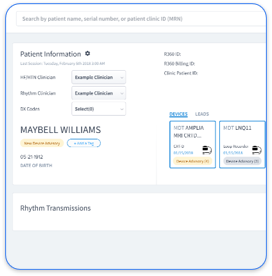
Fragmented cardiac device data across multiple manufacturer portals slows response during critical events. Rhythm360 uses a multi-layered approach that combines API integration and HL7 connectivity to pull data directly from manufacturer systems, while advanced OCR technology captures information when direct feeds are unavailable.
These connected methods work together to maintain >99.9% data transmissibility through redundant feeds that continue even when individual manufacturer servers experience downtime. This unified view removes the need to log into separate Medtronic CareLink, Abbott Merlin, and Boston Scientific LATITUDE systems, which helps staff move from hours-long checks to responses measured in minutes.
Intelligent alert filtering significantly reduces cardiac alert fatigue and improves focus on true emergencies. Rhythm360's AI-powered triage system filters non-actionable noise and highlights clinically significant events such as AFib, VTach episodes, and device parameter changes.
AI models analyze patterns across transmissions to separate alerts that require immediate intervention from routine notifications that can wait for standard clinic hours. This targeted prioritization supports a much faster response while keeping critical events at the top of the queue for clinical review.
HIPAA-compliant mobile applications free clinicians from desktop-only workflows and support rapid response from any location. Secure push notifications send prioritized alerts directly to smartphones, so on-call physicians can review transmissions, sign reports, and coordinate care while away from the office. This mobility proves especially valuable during weekend or evening emergencies, when a Saturday morning AFib alert can lead to anticoagulation therapy by Saturday afternoon and may prevent a stroke.
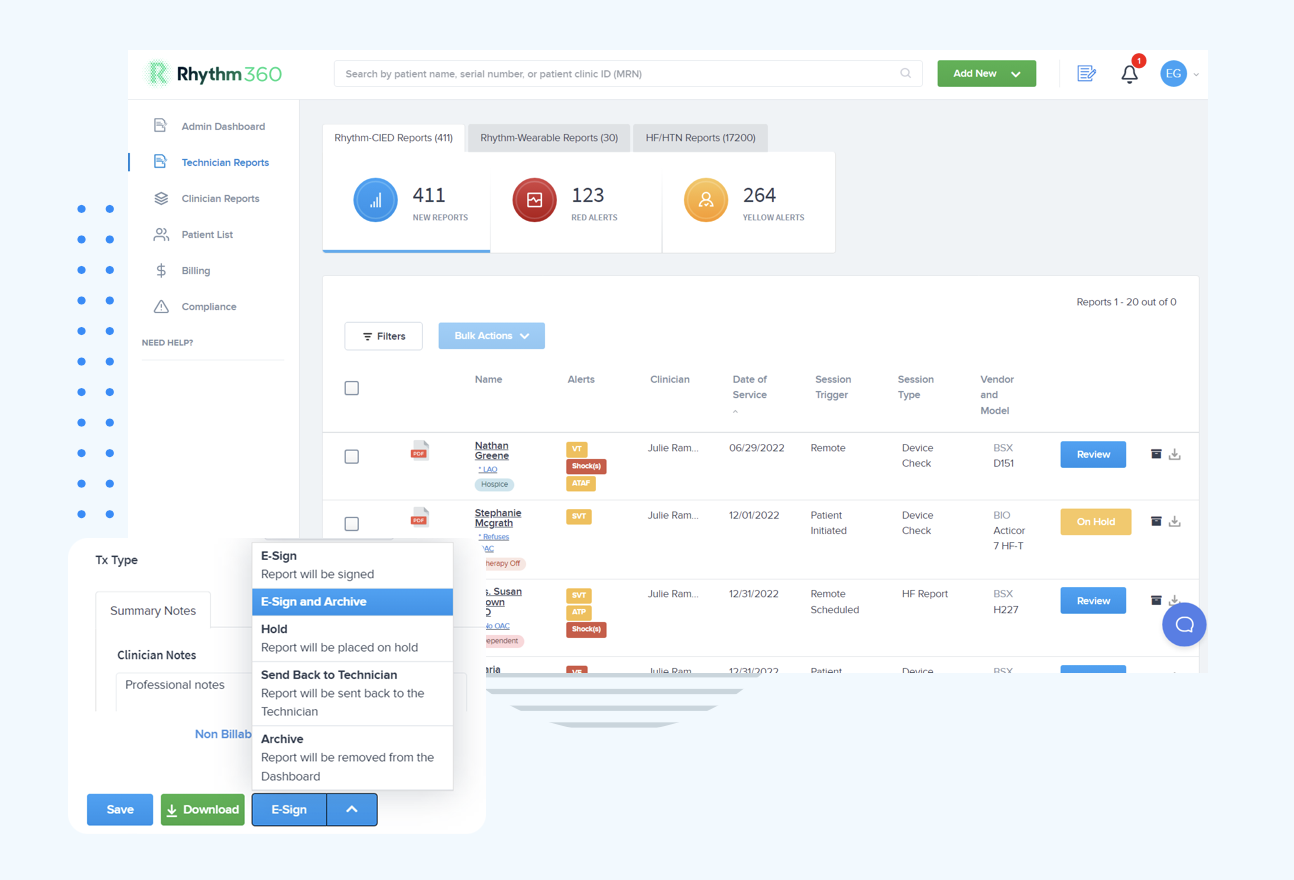
Structured escalation workflows ensure that no critical alert gets lost in administrative handoffs. Automated protocols route initial alerts to certified cardiac technicians (CCTs) for triage and then escalate to clinicians based on severity and defined response windows. Tiered staffing models maintain 24/7 coverage so that ventricular tachycardia alerts reach a physician immediately, while routine battery checks follow standard, lower-priority workflows.
Schedule a demo to see how automated escalation can streamline your practice's response process.
Bidirectional EHR integration removes manual data entry and supports complete documentation for billing and compliance. Interoperability standards such as HL7 and FHIR connect IoT cardiac data with EHR systems, which allows automatic population of patient charts with device transmissions, alert responses, and clinical decisions. Integrations with Epic and Cerner support real-time data flow, reduce administrative workload, and maintain clear audit trails that support CPT code justification.
Focused training programs improve both technical skills and resilience against alert fatigue. Staff education covers device-specific alert interpretation, escalation rules, and stress management techniques that help prevent burnout. Regular competency checks maintain consistent response quality and reveal opportunities to refine workflows. Training also reinforces the clinical meaning of different alert types so staff can maintain appropriate urgency even when they face a high rate of non-actionable alarms.
Continuous monitoring of key performance indicators supports ongoing improvement in both clinical and financial outcomes. Comprehensive dashboards track clinical metrics such as the percentage of alerts that require intervention and the average time from alert generation to physician review, while also monitoring billing compliance rates for RPM CPT codes. This combined view helps practices confirm that faster, safer care aligns with accurate documentation and captured revenue.
Pitfall: OEM server downtime can interrupt critical data flows and leave gaps in monitoring. Rhythm360's redundant data feed system and AI-powered extrapolation maintain >99.9% data transmissibility even when primary manufacturer systems fail, which preserves continuous visibility into patient status.
Pro Tip: Customize alert thresholds based on your specific patient population demographics and comorbidity profiles, because baseline risk varies across groups. For example, elderly patients with multiple conditions may need more sensitive alert parameters to catch early warning signs, while younger, healthier device recipients can safely use higher thresholds without sacrificing safety.
Effective implementation produces clear gains across clinical outcomes and financial performance. Target results include sub-30-minute response times for critical alerts, significant reductions in alert fatigue scores, and substantial increases in RPM-related revenue. Health systems report 25% fewer emergency visits when RPM devices support post-discharge care, which highlights the broader impact of streamlined cardiac monitoring workflows.
Metric | Before Rhythm360 | After Rhythm360 | Improvement |
|---|---|---|---|
Critical Response Time | 2 hours | 24 minutes | +88% |
RPM Billables Captured | Baseline | +300% | 300% increase |
Rhythm360's AI-powered alert triage supports customizable threshold settings that reduce alert noise through intelligent filtering. The system applies specific parameters for atrial fibrillation burden, ventricular tachycardia episodes, and device malfunction indicators that align with each patient's risk profile. Instead of triggering alerts for every minor deviation, the platform highlights clinically significant events that require immediate intervention, which helps reduce alert fatigue and supports a much faster response.
Vendor-neutral cardiac monitoring speeds response by consolidating all CIED data into a single dashboard. Clinicians no longer need to check separate portals for Medtronic, Abbott, Boston Scientific, or Biotronik devices, because they can review unified patient information in one interface. This consolidation shortens the time between alert generation and clinical action and supports faster decisions during urgent events.
Rhythm360 provides bidirectional integration with major EHR systems such as Epic, Cerner, Athenahealth, eClinicalWorks, and Greenway Health through HL7 connectivity. The integration automatically updates patient records with device transmissions, alert responses, and clinical documentation while supporting real-time data exchange in both directions. Most implementations are complete within a few days to a few weeks, depending on system complexity and customization needs.
Cardiac alert fatigue stems from the overwhelming volume of false alarms generated by monitoring systems, similar to the high false-positive rate mentioned earlier. This constant stream of non-actionable alerts leads to desensitization, slower responses, and a higher risk of medical error. AI-powered triage systems reduce fatigue by filtering irrelevant notifications and prioritizing genuine emergencies so clinical staff can focus on alerts that truly require immediate attention.
HIPAA-compliant mobile applications support immediate alert delivery regardless of clinician location and remove delays tied to desktop-only access. On-call physicians receive prioritized notifications on smartphones, which allows them to review transmissions, sign reports, and coordinate care from any setting. This flexibility is especially valuable during off-hours emergencies, when rapid anticoagulation decisions for new-onset atrial fibrillation or timely device reprogramming can prevent deterioration before the next business day.
These seven strategies shift cardiac monitoring from a reactive, fragmented process to a proactive, unified system that protects patients and streamlines operations. Rhythm360's vendor-neutral platform provides the technical foundation for faster critical alert response while helping practices capture revenue that previously went unbilled.
Schedule a demo today to see how streamlined cardiac monitoring workflows can support better outcomes for your patients and your practice.