Reddit forums reveal a disturbing pattern of critical alert failures across cardiology remote monitoring systems. These clinician accounts show systemic problems that extend far beyond individual user errors.
Experience Source | Key Quote | Pain Theme |
r/PacemakerICD: Battery Alert | "ERI notification buried in spam—patient nearly syncopated" | Critical alert drowning |
r/askCardiology: Night Shifts | "3AM AFib alerts mixed with junk—pure fatigue" | Alert overload |
r/medicine: Portal Chaos | "Five different logins for five patients—insane workflow" | OEM fragmentation |
r/Cardiology: Missed VTach | "Weekend transmission lost in portal maze—stroke risk" | System unreliability |
These experiences align with broader issues documented in clinical literature. False alarm rates in cardiac monitoring can reach 71.75% before AI intervention, which creates an environment where critical events disappear in the noise. Clinicians spend hours navigating separate Medtronic, Abbott, and Boston Scientific portals, then discover that crucial transmissions failed to upload or were misclassified as routine maintenance alerts.
The human cost goes far beyond workflow frustration. One r/PacemakerICD thread described a missed implantable cardioverter-defibrillator malfunction alert that looked identical to dozens of connectivity notifications. The patient received inappropriate shocks for three days, and the problem surfaced only during a routine clinic visit. Another r/askCardiology discussion described weekend on-call physicians who routinely ignore low-priority notifications, which creates blind spots where genuine emergencies like new-onset atrial fibrillation remain undetected for days.
Fragmentation worsens as practices grow. Multi-physician cardiology groups report that a single patient with devices from different manufacturers forces staff to maintain expertise across multiple platforms, each with unique alert hierarchies and notification rules. This complexity contributes to the 26.4% of clinicians who worry about decision-making errors from faulty alerts. Schedule a demo to see how Rhythm360 replaces these portal nightmares with unified, AI-powered alert management.
Critical alerts in cardiology remote monitoring are urgent notifications from cardiac implantable electronic devices such as pacemakers and ICDs. These alerts cover events like new-onset atrial fibrillation, ventricular tachycardia, low battery indicators, or heart failure decompensation, which often go unnoticed amid alert fatigue and siloed OEM data from Medtronic, Abbott, and other manufacturers.
These alerts fall into several categories of life-threatening events. Arrhythmia alerts include sustained ventricular tachycardia, ventricular fibrillation episodes, and new-onset atrial fibrillation that may require immediate anticoagulation. Device integrity alerts flag lead fractures, impedance changes, or battery depletion approaching elective replacement indicators. Physiological alerts from advanced devices track heart failure status through thoracic impedance changes, activity levels, and heart rate variability patterns.
The core challenge comes from delivery and prioritization, not from the alerts themselves. Passive monitoring notifications show only 21.4% sensitivity, so four out of five critical events may be misclassified or delayed. Legacy OEM systems often treat all notifications as equal, which floods clinicians with routine maintenance alerts alongside genuine emergencies.
The financial impact also hits hard. Missed critical alerts drive preventable hospitalizations, emergency department visits, and delayed interventions that could have been handled in outpatient settings. Practices lose significant revenue when fragmented data and weak alert tracking prevent accurate documentation and billing for remote monitoring services.
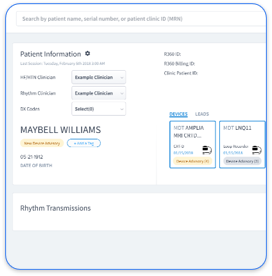
Rhythm360 transforms cardiology remote monitoring by replacing scattered OEM portals with a unified, AI-powered platform. The system removes the portal-hopping nightmare described in countless Reddit threads and presents all relevant data in a single, prioritized view.

The platform’s vendor-neutral architecture sits at the center of this shift. Instead of forcing clinicians to log into Medtronic CareLink, Abbott Merlin.net, and Boston Scientific Latitude separately, Rhythm360 ingests data from all sources through APIs, HL7 feeds, and advanced computer vision technology. This design achieves more than 99.9% data transmissibility through redundant data feeds that keep working even when individual OEM servers go down.
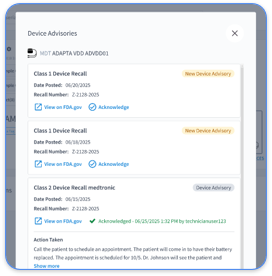
AI-powered alert triage then brings order to the notification chaos. The system analyzes incoming transmissions with machine learning models trained on millions of cardiac events. It automatically separates routine maintenance notifications from genuine clinical emergencies. This intelligent filtering cuts response times for critical alerts by up to 80% compared with legacy systems. Life-threatening arrhythmias receive immediate attention, while routine battery checks move to a lower priority.
The mobile application removes the mobility limits that plague traditional OEM portals. Clinicians can review critical transmissions, sign reports, and coordinate patient care from their smartphones. They no longer need to rush to specific workstations during emergencies. This flexibility proves crucial during weekend call and after-hours coverage, when rapid response can prevent strokes and other serious outcomes.
Automated CPT code capture then addresses the billing gap that drains practice revenue. Rhythm360 automatically generates compliant documentation for remote monitoring codes 93298 and 93299. Practices often capture up to 300% more revenue from their existing patient panels. Schedule a demo to see how Rhythm360 can upgrade your practice’s remote monitoring program.
Rhythm360’s AI triage system cuts the notification overload that pushes clinicians to ignore critical alerts. The platform reduces false alarms and highlights genuine emergencies. Teams can respond quickly to events like Saturday morning atrial fibrillation detection, so patients receive anticoagulation therapy before stroke risk climbs.
The vendor-neutral design consolidates device data from every major manufacturer. Staff no longer juggle multiple portal logins, which reduces administrative burden and training time. This unified view helps ensure that no critical information disappears inside fragmented systems.
AI-powered platforms have demonstrated billing capture improvements from 68% to 94%, with monthly collections rising by 31%. Rhythm360’s automated documentation and CPT code capture help practices recover previously lost revenue while reducing manual billing work.
Feature | Rhythm360 | Legacy OEMs | Competitors |
Alert Speed | 80% faster AI triage | Manual portal checking | Limited AI filtering |
Vendor Support | All manufacturers | Single OEM only | Partial coverage |
Revenue Impact | 300% increase | Significant leakage | Moderate improvement |
A representative electrophysiology clinic with 2,000 device patients illustrates these gains. After implementing Rhythm360, the clinic cut average critical alert response times from 4 hours to 45 minutes. The practice increased remote monitoring revenue by 300% through stronger documentation and billing capture. Clinical staff also reported far less burnout from alert fatigue. Schedule a demo to explore how your practice can reach similar results.
Alert fatigue stems from overwhelming volumes of non-actionable notifications mixed with critical alerts in legacy OEM systems. When clinicians receive dozens of routine connectivity and battery status alerts every day, they become desensitized to genuine emergencies such as ventricular arrhythmias or device malfunctions. Rhythm360’s AI-powered triage system addresses this problem by filtering notifications and prioritizing clinically significant events, which reduces alert volume while ensuring that critical events receive immediate attention.
Cadence offers cloud-based remote monitoring, yet user reviews often mention limits in vendor neutrality and alert management compared with comprehensive platforms like Rhythm360. Many practices report that single-vendor solutions keep fragmentation problems alive when patients use devices from multiple manufacturers. Rhythm360’s vendor-neutral model removes these constraints by supporting all major device manufacturers through one unified interface.
Reddit discussions consistently highlight three main pain points. Clinicians describe missed critical alerts buried in notification spam, heavy administrative work from managing multiple OEM portals, and unreliable data transmission that creates gaps in patient monitoring. These stories mirror broader systemic issues with fragmented remote monitoring infrastructure. Rhythm360 addresses these problems through unified data integration and intelligent alert prioritization.
Traditional electrophysiology clinics often rely on separate OEM portals that require manual checking and delay recognition of critical alerts. Rhythm360 changes this process with real-time mobile notifications, AI-powered alert triage, and automated report generation. The platform ensures that life-threatening arrhythmias such as ventricular tachycardia trigger immediate notifications to on-call clinicians, which supports rapid intervention and better patient outcomes.
ICD critical alerts involve life-threatening events such as inappropriate shocks, lead fractures, or sustained arrhythmias that require immediate medical intervention. Routine battery or connectivity notifications do not carry the same urgency. Rhythm360’s AI algorithms distinguish between these alert types and route genuine emergencies through priority channels so they bypass crowded notification queues and reach clinicians without delay.
Reddit stories of missed critical alerts, crushing notification fatigue, and fragmented OEM portals reveal a systemic crisis in cardiology remote monitoring. These real-world accounts show how current systems fail clinicians and patients, create dangerous gaps in care, and bury teams in administrative work.
Rhythm360 delivers a comprehensive answer to these problems. Vendor-neutral data integration, AI-powered alert triage, and mobile access turn remote monitoring into a reliable engine for better outcomes and smoother operations.
Avoid becoming the next Reddit cautionary tale. Schedule a demo today to remove alert chaos, cut response times by 80%, and increase remote monitoring revenue by 300%.