Cardiovascular RPM compliance gaps create clinical, operational, and financial risk. Many programs lose revenue when manual workflows miss billable events for codes such as 93298, 93299, 99454, and 99457. Fragmented portals from multiple manufacturers increase administrative workload and can produce data silos and errors.
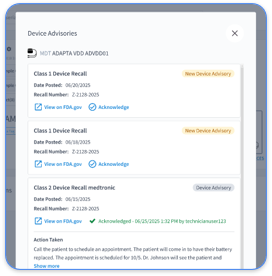
Alert fatigue from high volumes of low-value notifications raises the chance of overlooking new atrial fibrillation, ventricular tachycardia, device malfunctions, or early heart failure changes. These missed findings may lead to preventable hospitalizations or strokes. The 2026 CPT changes add new short-duration monitoring options and management-time thresholds that require more precise tracking.
Comprehensive cardiovascular RPM tools can reduce missed alerts, capture more appropriate revenue, and improve documentation quality. Teams that adopt integrated platforms can also prepare earlier for 2026 CPT requirements. To review options tailored to your organization, use the Rhythm360 contact form.
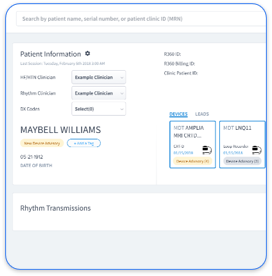
Unified data aggregation reduces administrative burden and improves patient oversight. When practices implant devices from several manufacturers such as Abbott and Biotronik, separate portals make it harder to maintain a complete picture of each patient.
Rhythm360 functions as a single source of truth by ingesting and normalizing data from all OEMs and RPM sensors in one interface. Platforms should support API, HL7, XML, and optical character recognition so that data from different formats remains accurate and clinically useful.
Accurate cardiac data underpins safe clinical decisions. Manual entry and reconciliation increase the risk of missed transmissions, inconsistent values, and timing errors.
Rhythm360 uses AI-supported data mapping, gap filling, and redundant data feeds to reach more than 99.9 percent data transmissibility. Systems benefit from automated validation checks that flag incomplete or conflicting records so clinicians can act with confidence.
Manual CPT tracking often undercounts billable RPM and CIED services, especially for time-based codes and new short-duration options. The new 99XX5 code supports RPM management billing for 10–19 minutes of clinical activity, which makes shorter interactions billable when documented correctly.
Automated logic within the monitoring platform can track cumulative time for codes such as 99457 and 99XX5 and confirm required transmission days for emerging codes like 99445. These tools help produce audit-ready documentation, reduce denied claims, and limit revenue leakage.
Structured alerting protects clinicians from overload while improving response to urgent changes. Legacy systems that flag every parameter shift make it harder to notice life-threatening events.
Rhythm360 prioritizes clinically important events with AI-based triage, which can shorten response times for serious arrhythmias or device problems. Programs gain further efficiency by configuring urgency tiers and enabling automated reports for routine reviews and escalations.
Automatic data exchange between RPM platforms and EHRs reduces duplicate work and documentation errors. Manual copy-and-paste steps slow clinicians and introduce inconsistencies in patient records.
Bi-directional integrations with systems such as Epic through HL7 allow RPM findings, notes, and orders to flow into the EHR while demographics and problem lists move into the monitoring platform. This alignment supports more accurate charts and smoother workflows.
Consistent documentation is central to compliant RPM billing. Payers expect clear evidence of data review, management time, and patient communication for each billed period.
Growing use of AI- and algorithm-assisted services in 2026 requires documentation of algorithm details, versioning, and clinical oversight. Platforms should automatically log patient messages, device transmissions, clinician interpretation, and AI-driven steps, creating an auditable trail within the record.
CPT 99445, finalized for 2026, allows billing for RPM with 2–15 days of transmitted physiologic data in a 30-day period. This structure supports monitoring for conditions such as heart failure and hypertension that may not need daily data.
Cardiology programs can design focused HF and HTN RPM service lines that include patient education, device logistics, and protocol-based follow-up. Automated billing and onboarding workflows help these programs stay compliant while supporting ongoing revenue.
On-call clinicians often need to review device transmissions or RPM trends away from their desks. Delays in access can slow treatment decisions in high-risk situations.
HIPAA-compliant mobile applications let clinicians review data, sign reports, and coordinate with team members from any location. Effective solutions mirror desktop functionality while providing simple, secure interfaces on mobile devices.
Certified Cardiac Technicians can handle first-line alert review and routine monitoring, which frees physicians to focus on complex assessments and direct patient care.
Programs that use 24/7 CCT oversight gain round-the-clock triage for urgent events, with clear escalation pathways to supervising physicians. Platforms that offer optional CCT services help standardize interpretation and maintain consistent coverage.
CPT and CMS policy changes continue to reshape RPM program design and billing options. In 2026, 288 new codes will affect remote monitoring and AI-related services, so static workflows may fall out of date quickly.
As of 2025, Federally Qualified Health Centers and Rural Health Clinics can bill RPM using individual CPT codes instead of only bundled services. Practices benefit from regular policy reviews and from vendors who update software rules, templates, and training materials in line with new guidance.
New Category III cardiology codes such as 0992T and 0993T support billing for advanced cardiac risk assessment and AI-assisted ECG and plaque analysis. These services require clear records of algorithm use and physician oversight.
RPM platforms should present AI contributions transparently and log algorithm versions, inputs, and clinician review steps. This structure supports both clinical accountability and the documentation standards attached to emerging AI codes.
Rhythm360 offers a structured approach to cardiovascular RPM compliance and reporting, with tools that align clinical workflows, data integration, and billing requirements. The platform’s vendor-neutral design supports cardiology teams working with diverse CIEDs and RPM devices.
Key capabilities include:
Feature | Traditional Methods | Rhythm360 |
Data Aggregation | Fragmented, multiple logins, data silos | Unified, vendor-neutral platform for all CIEDs and RPM sensors |
Workflow Efficiency | Manual, time-consuming, prone to error | Automated data ingestion, AI-supported reporting, bi-directional EHR integration |
Alert Management | High alert volume and risk of missed critical events | Intelligent alert triage and shorter response times for significant events |
CPT Code Capture | Manual tracking, revenue leakage, higher compliance risk | Automated CPT documentation and more consistent reimbursement capture |
Data Reliability | Inconsistent transmissions and gaps | More than 99.9 percent data transmissibility, redundant feeds, and AI validation |
Clinician Mobility | Access limited to fixed workstations | Secure, HIPAA-compliant mobile app for review and coordination |
The 2026 CPT updates expand billing opportunities for cardiovascular RPM by adding shorter management-time thresholds and new short-duration monitoring codes. The 99XX5 code allows billing for 10–19 minutes of RPM management time, and codes such as 99445 and 99470 support billing for 2–15 days of monitoring in a 30-day period. These updates also broaden the types of physiologic data that qualify for RPM, including some physical activity monitoring, when appropriately documented. Platforms that automate time tracking, transmission counts, and linked documentation can help practices use these codes accurately.
Critical events in cardiovascular RPM typically include sustained ventricular tachycardia or ventricular fibrillation, new atrial fibrillation with elevated stroke risk, device malfunctions such as lead fractures or dislodgement, battery depletion alerts, and significant changes in heart failure indicators such as rapid weight gain. Severe hypertension readings may also require urgent action. Timely response depends on tiered alert rules, clear escalation workflows, and coverage by clinicians or CCTs who can act at all hours. Rhythm360 supports this approach with AI-based alert triage and optional around-the-clock technician monitoring.
Modern vendor-neutral platforms can integrate data from major CIED manufacturers by combining several technical methods. Rhythm360 uses manufacturer APIs, HL7 feeds, XML parsing, and optical character recognition for PDF reports to ingest and normalize data into a consistent format. This approach lets staff work from a single dashboard instead of multiple portals, while preserving key details such as event timing, device parameters, and alerts across different vendor systems.
Maximizing cardiovascular RPM revenue requires systematic capture of all billable events, documentation that matches code requirements, and thoughtful program design. Automated code tracking should align data transmissions, management time, and communication logs with codes such as 99454, 99457, 99XX5, and 99445. Short-duration monitoring codes create new revenue options for episodes that previously did not qualify. Dedicated heart failure and hypertension RPM pathways can provide recurring revenue when paired with consistent documentation and audit-ready records. Platforms like Rhythm360 help standardize these steps so fewer billable services are missed.
The growing complexity of cardiovascular RPM, combined with substantial 2026 CPT changes, makes structured tools and workflows essential for cardiology practices. Programs that rely on manual tracking and disconnected systems may struggle with higher risk of missed events, documentation gaps, and unclaimed revenue.
Vendor-neutral platforms that unify device data, apply AI for triage and validation, and automate billing documentation place teams in a stronger position for both clinical care and compliance. Rhythm360 is designed to support these needs by consolidating cardiac data, standardizing workflows, and helping practices align with evolving RPM regulations.