Many cardiology and electrophysiology teams still log into multiple OEM portals, perform manual data entry, and manage growing alert queues. These fragmented workflows increase the risk of missed events, staff burnout, and preventable revenue loss.
Effective enterprise heart rhythm monitoring in 2026 requires three basics: access to device data, visibility into current administrative work, and a clear goal to improve both care and financial performance. Internal cardiology audits have documented thousands of dollars in unbilled services in only a few months when CPT codes are not fully captured.
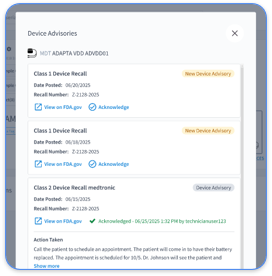
Data fragmentation is not only an operational issue, it is a clinical safety concern. Unified monitoring reduces anxiety about missed arrhythmias or device alerts and creates a consistent foundation for enterprise-level quality programs.
Start with an inventory of every cardiac device your organization monitors. Include major manufacturers and newer entrants, and document how staff currently access each system.
Build a simple register that captures:
This inventory clarifies the true scope of your monitoring program and sets a baseline for future efficiency gains.
List each OEM portal, account, and workflow your staff uses in a typical day. Capture:
This mapping produces a concrete view of data silos and their impact on clinical work and revenue.
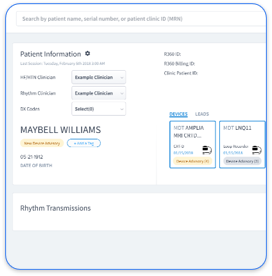
Rhythm360 is a vendor-neutral platform built to aggregate cardiac implantable electronic device data into a single system of record. The platform eliminates the need to move between OEM portals and creates one consistent dataset for clinical review and billing.
A structured workflow audit highlights where data gaps and manual steps cause risk and revenue loss. Trace each step from device transmission to claim submission.
Focus on these common bottlenecks:
Remote physiologic monitoring codes 99457 and 99458 often remain underused when time tracking and documentation are incomplete. In many programs, critical events or billable activities occur, yet no compliant note or billable record is created.
AI-enabled workflows have been shown to cut coding errors and reduce hours spent on appeals for multi-vendor cardiac monitoring. Rhythm360 supports this by automating data ingestion, standardizing reports, and generating structured documentation that aligns with CPT requirements.
A vendor-neutral enterprise platform becomes the foundation of modern heart rhythm monitoring. The platform should consolidate all device data into a single view and integrate cleanly with your EHR.
Key capabilities to prioritize include:
Unified RPM infrastructure helps address data fragmentation and supports more consistent post-discharge cardiac monitoring.
Rhythm360 is a cloud-based platform that ingests data from all major CIEDs and chronic-condition sensors. The system uses APIs, HL7, XML, and computer vision to convert structured and unstructured inputs into a standardized record, with redundant data feeds to preserve monitoring continuity when OEM systems experience downtime.
Feature | Legacy OEM Portals | Rhythm360 Unified Platform | Impact |
Data Sources | Single manufacturer | All supported manufacturers | Complete device coverage |
Data Consolidation | Manual and fragmented | Automated and centralized | Lower staff workload |
Alert Management | High alert volume | AI-prioritized alerts | Faster response to risk |
Revenue Capture | Inconsistent | Workflow-driven | Higher realized reimbursement |
Organizations typically measure success by reductions in logins, faster response to high-risk events, and improved capture of eligible remote monitoring claims.
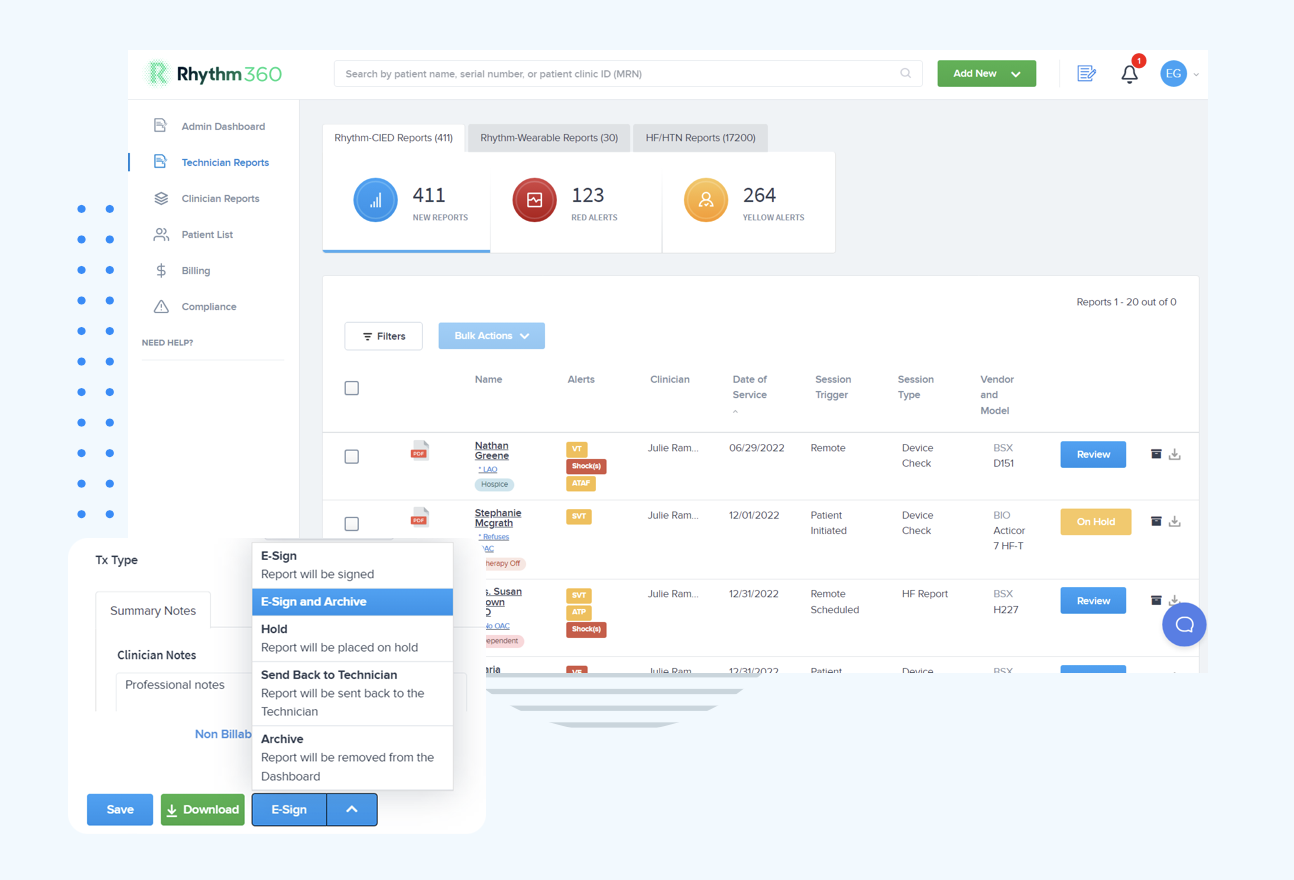
Effective alerting turns a unified data layer into actionable clinical workflows. A clear alert strategy reduces noise while ensuring that significant events reach the right clinician quickly.
Core practices include:
Rhythm360 offers intelligent alerting and automated reporting for both routine checks and urgent transmissions. Optional 24/7 coverage by certified cardiac technicians, supervised by physicians, adds human oversight so subtle patterns and technical issues are less likely to be missed.
Structured documentation and automated CPT logic help align clinical work with appropriate reimbursement. Enterprise platforms should track time, actions, and supervision requirements in the background of daily workflows.
For remote cardiac monitoring, this typically includes:
Well-managed use of codes such as 99457 and 99458 can provide meaningful additional revenue for high-need patients. At the same time, payers may limit the frequency of specific cardiac event detection codes within a six-month window, so automated guardrails are important.
Regulatory updates and expanded reimbursement pathways have made RPM more viable for cardiovascular care programs. Rhythm360 incorporates these requirements into its CPT workflows, generating auditable documentation and helping practices reduce missed billable events.
Schedule a Rhythm360 revenue workflow review to estimate potential recovery from underbilled cardiac monitoring services.
Once core CIED workflows are stable, many organizations extend their enterprise platform into broader chronic disease programs. Heart failure and hypertension monitoring fit naturally alongside rhythm management within a shared infrastructure.
High-value extensions include:
Rhythm360 supports these capabilities with dedicated service lines for HF and HTN RPM and an integrated communication hub that keeps a complete, auditable history in the patient record.
Vendor-neutral platforms like Rhythm360 ingest data from all major CIED manufacturers into one standardized record. The platform converts varied formats into a consistent structure using APIs, HL7, XML processing, and computer vision, so clinicians work from a single source of truth instead of multiple portals.
Centralized data and AI-based triage reduce low-value alerts and bring high-risk events to the foreground. Organizations using unified monitoring frequently report shorter response times for urgent arrhythmias and fewer non-actionable notifications in clinicians' inboxes.
Enterprise platforms increasingly support both CIED follow-up and RPM for conditions such as heart failure and hypertension. Rhythm360 offers integrated service lines so teams can coordinate rhythm, volume status, and blood pressure monitoring within a single environment.
Enterprise heart rhythm monitoring in 2026 requires unified data, clear workflows, and reliable billing support. Practices that move from fragmented OEM portals to an integrated platform reduce the risk of missed events, lower administrative burden, and capture revenue that previously went unbilled.
Rhythm360 provides a vendor-neutral foundation for this strategy by standardizing device data, organizing clinical work, and supporting compliant reimbursement for CIED and chronic-condition monitoring. Schedule a Rhythm360 demo to evaluate how an enterprise heart rhythm monitoring solution can support your clinical and financial goals in 2026 and beyond.