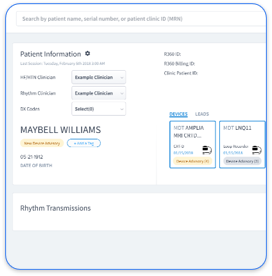
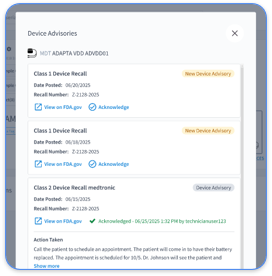
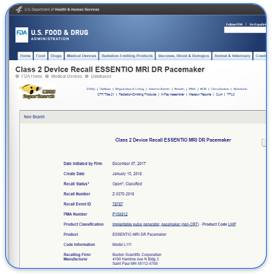
Paceart Optima performs five core functions for cardiac device management.
Paceart’s data integration process collects device transmissions through manufacturer-specific protocols and consolidates them into a unified database. The system ingests data from major device manufacturers including Medtronic CareLink, Boston Scientific Latitude, Abbott Merlin.net, and Biotronik Home Monitoring platforms. PaceMate’s acquisition of Medtronic’s Paceart Optima system adds nearly 1,000 clinic locations worldwide, which reflects the system’s broad use across cardiac device management workflows.
The integration workflow typically runs on scheduled data pulls from each manufacturer’s portal, followed by data normalization and storage in Paceart’s local database. This approach requires separate connections to each OEM system, which creates multiple potential points of failure and demands ongoing maintenance of several integration pathways. These integration complexities directly affect daily operations and clinic reliability.
The daily Paceart workflow starts with automated data collection from manufacturer portals, followed by local processing and alert generation. Device technicians log into the Paceart system to review new transmissions, prioritize alerts, and generate reports for clinical review. The on-premise architecture requires local server maintenance, regular software updates, and dedicated IT support.
Key limitations of the on-premise model include dependency on local infrastructure, limited mobile access, and potential data loss during system failures. These constraints stem from Paceart’s reliance on physical servers, which lack the redundancy and scalability that modern cloud architectures provide. This reliability gap becomes especially serious for device clinics that process thousands of transmissions each year, because any downtime can directly affect patient safety.
Paceart supports EHR connectivity for structured data exchange but remains complex and less flexible than modern FHIR-based integrations. The system can transmit device reports and billing documentation to compatible EHR systems, although the integration often requires custom configuration and ongoing maintenance.
Billing automation in Paceart centers on generating documentation to support CPT codes for remote monitoring services. However, a 2026 CMS rule imposes a 2.5% Medicare pay cut via an efficiency adjustment, which increases the pressure on clinics to maintain accurate billing documentation and efficient workflows.
Clinics that want more predictable reimbursement and fewer manual steps can benefit from modernized workflows. Request a Rhythm360 walkthrough to see how streamlined EHR connections and billing automation support revenue integrity.
PaceMate acquired Medtronic’s Paceart Optima system to expand its global footprint and strengthen its position in cardiac data management. This acquisition marks a major change in the cardiac device management market as Paceart shifts from a Medtronic-owned platform to an independent vendor solution.
Current Paceart users should anticipate changes in support structures, update schedules, and potentially pricing models as PaceMate incorporates the platform into its portfolio. The acquisition may also influence future development priorities and integration capabilities as PaceMate aligns Paceart with its broader strategy.
| Feature | Paceart (On-Premise) | Modern Cloud Platforms | Rhythm360 |
|---|---|---|---|
| Data Reliability | Dependent on local infrastructure | Modern cloud platforms such as Google Cloud Storage provide at least 99.9% monthly uptime for certain storage classes and locations | High data availability with redundant feeds (details in section below) |
| Alert Processing | Manual triage required | Significant reduction in alert fatigue | AI-powered triage with faster response |
| Processing Efficiency | Manual workflows | Reduced processing time | Automated workflows and reporting |
| ROI | Limited by infrastructure costs | Improved financial performance | Substantial revenue gains from automation |
Paceart users often face operational challenges that push them to evaluate modern alternatives. Nearly 60% of device alerts in cardiac monitoring are clinically non-relevant, which fuels alert fatigue and inefficient workflows. Manual data entry and limited mobile access add more friction for already busy teams.
The on-premise architecture also creates burdens such as server maintenance, backup management, and constrained scalability. Healthcare providers are moving toward cloud-hosted solutions for better scalability and lower infrastructure overhead.
Cloud-based platforms respond to these issues with automated workflows, AI-driven alert filtering, and secure mobile access. U.S. cardiac device clinics are rapidly adopting device-agnostic cloud platforms as they move away from legacy premise-based systems, citing better efficiency and stronger data preservation.
Rhythm360 addresses core limitations of legacy systems like Paceart through a vendor-neutral, cloud-based architecture that improves performance and reliability. The platform achieves more than 99.9% data transmissibility through redundant data feeds and AI-powered data extrapolation, so critical information is not lost due to technical failures.
AI-powered alert triage cuts response times for critical events by up to 80% while filtering non-actionable alerts that contribute to clinician fatigue. This intelligent filtering works alongside bi-directional EHR integration, which removes manual data entry and ensures that only relevant, actionable information flows into existing clinical systems.
Automated CPT code capture and documentation help practices recover revenue that previously went unbilled. Some clients report up to 300% improvement in profitability after streamlining their remote monitoring workflows. Rhythm360’s cloud architecture also supports mobile access, automatic updates, and enterprise-grade security without local IT infrastructure.
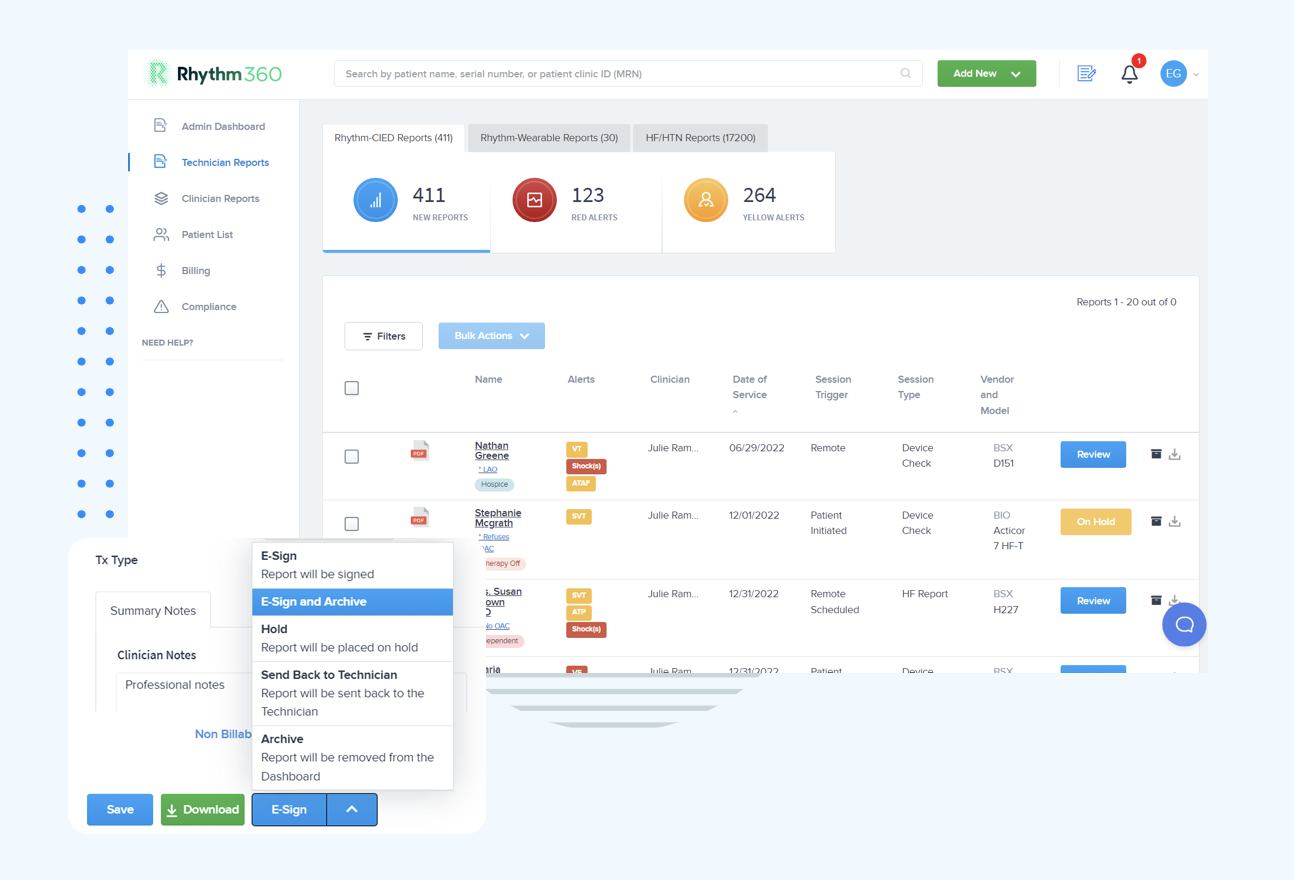
Teams that want to see these capabilities in practice can explore a live environment. Book a Rhythm360 demo to see AI-driven workflows and cloud reliability in action.
Most implementations take 2 to 4 weeks, depending on practice size and complexity. Modern platforms like Rhythm360 can preserve historical device data during migration, which protects continuity of patient records. The process usually includes data export from Paceart, EHR integration setup, staff training, and a gradual cutover to the new platform.
Modern cloud platforms often deliver stronger security than on-premise systems through enterprise-grade encryption, regular security updates, and compliance certifications. Cloud providers invest heavily in cybersecurity infrastructure that most individual practices cannot match. HIPAA-compliant cloud platforms undergo regular audits and maintain strict access controls to protect patient data.
Well-planned transitions maintain billing continuity through parallel operation periods and thorough documentation transfer. Modern platforms often improve billing accuracy with automated CPT code capture and enhanced documentation tools. The transition window gives practices time to validate billing processes before fully retiring the legacy system.
Cloud-based platforms use API integrations and advanced data parsing to connect with all major device manufacturers at the same time. Unlike Paceart’s dependence on individual manufacturer portals, modern platforms aggregate data through direct connections and redundant pathways. This approach reduces manual work and improves data reliability across all device types.
PaceMate has committed to supporting existing Paceart installations, although the long-term roadmap may differ from Medtronic’s original plans. Users should expect adjustments in support structures, update schedules, and possibly pricing as PaceMate integrates the platform. Many practices are using this period to evaluate modern cloud alternatives that offer expanded capabilities and more predictable development paths.
Paceart Optima still functions as an on-premise solution for cardiac device data management, yet its architecture limits scalability, mobility, and workflow efficiency. The 2024 acquisition by PaceMate adds uncertainty around future development and support, which makes this a practical time for practices to assess modern options.
Cloud-based platforms like Rhythm360 address core challenges of legacy systems through AI-powered automation, stronger data reliability, and seamless EHR integration. As cardiac device management shifts toward cloud-first architectures, early adopters gain advantages in efficiency, patient safety, and financial performance.
Teams that are ready to move beyond legacy constraints can start with a focused evaluation. Connect with the Rhythm360 team to explore how a cloud-based platform can reshape your cardiac device workflows.