Fragmented cardiac device data forces clinicians to search across portals, file formats, and workflows before they can act. Differences in file formats and data exchange methods can require extra manual steps that consume time and increase the chance of error during critical decisions.
Alert overload and missed critical events create significant administrative burdens while also affecting patient safety. A critical arrhythmia alert hidden in a complex data environment can delay intervention and raise the risk of stroke or hospitalization.
Fragmentation also affects revenue, staffing, and compliance. Inefficient CPT code capture, billing data spread across systems, and turnover in specialized staff all reduce financial performance. Over 80% of health apps share data with third parties, which increases security and privacy concerns when information flows through multiple disconnected platforms.
Unified cardiac device data management improves patient outcomes through faster responses, supports operational efficiency, and strengthens revenue capture through automated tracking and documentation.
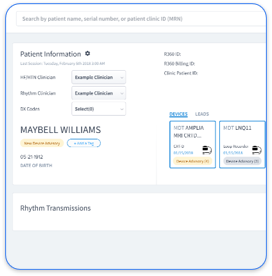
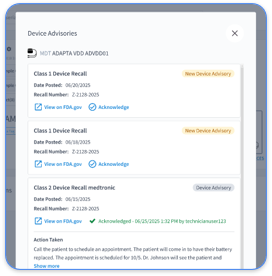
Rhythm360 from RhythmScience is a vendor-neutral, cloud-based platform that consolidates cardiac device and remote monitoring data into one workspace. The platform aggregates and normalizes data from major Cardiac Implantable Electronic Device (CIED) manufacturers so teams can manage cardiovascular patients more efficiently.
To see how this approach could fit your workflows, schedule a Rhythm360 demo.
Clinical teams that manage multiple portals and file types for each device vendor face greater complexity as volumes grow. A single patient may have data scattered across systems, which forces staff to reconcile information by hand and increases the risk of errors.
A vendor-neutral platform reduces this burden by presenting a holistic view of each patient through one interface. Modern platforms integrate data through API, HL7, XML, and PDF parsing with computer vision, so practices capture information regardless of manufacturer format.
Tactical tip: Evaluate platforms based on manufacturer coverage, proven data normalization, and the ability to integrate with all major CIED vendors.
Immediate clinical decisions depend on accurate, current information. Real-time processing systems aggregate and normalize high volumes of streaming data from devices and wearables so clinicians receive timely, usable insights.
AI and machine learning convert raw device data into unified, decision-ready information by highlighting patterns and anomalies that manual review can miss. Rhythm360 uses redundant data feeds and AI-supported normalization to maintain high data reliability.
Tactical tip: Look for platforms that combine advanced Extract, Transform, Load capabilities with AI-driven data cleaning, validation, and alert delivery with low latency.
Alert fatigue from frequent, low-value notifications remains one of the largest barriers to effective device monitoring. Clinicians who receive many low-priority alerts each day may overlook critical events.
AI-based alert triage categorizes notifications by clinical significance and routes them into clear workflows. Automated report generation further reduces manual tasks. Rhythm360 can shorten critical response times by up to 80 percent through prioritization and streamlined review.
Tactical tip: Map current alert pathways, identify delays, and determine where automation could route, escalate, or close events without extra clicks.
Strong connectivity with Electronic Health Record systems anchors any unified data strategy. Weak synchronization between cardiac device platforms and EHRs slows documentation, introduces duplicate entry, and can create mismatched records.
Bidirectional integration sends device data into the longitudinal medical record and returns orders, notes, and statuses to the device platform. Rhythm360 supports deep integrations with major EHRs such as Epic, Cerner, and Athenahealth to align workflows.
Tactical tip: Confirm that a platform offers tested, supported integration with your specific EHR and that data mapping has been validated in live environments.
Cardiac device data management works best when combined with broader remote monitoring for conditions such as heart failure and hypertension. Unified platforms support concurrent management of multiple chronic conditions and create clearer longitudinal trends.
Digital health technologies in cardiovascular care generate growing volumes and types of cardiac data, which makes integrated management essential. Rhythm360 supports remote patient monitoring for heart failure and hypertension and includes automated billing support for related CPT codes.
Tactical tip: Assess whether a platform can support new remote monitoring programs without large staffing increases and whether billing and compliance tracking are built in.
Cardiac device data falls under strict privacy and security requirements. More than 80 percent of health apps share data with third parties, so practices need firm control over where data flows and who can access it.
Unified platforms must support HIPAA, access controls, encryption, and detailed audit trails. Rhythm360 uses robust security protocols and auditable documentation that also supports CPT code compliance.
Tactical tip: Request a clear description of the platform's security architecture, data retention policies, incident response process, and current certifications.
Modern cardiac care often extends beyond office hours and locations. Clinicians need secure access to key patient data when they are on call or coordinating care with other teams.
Integrated communication tools support efficient patient engagement and collaboration. Rhythm360 offers a secure, HIPAA-compliant mobile application that allows clinicians to review transmissions, sign reports, and coordinate care from almost any location.
Tactical tip: Review how mobile tools handle authentication, notifications, and documentation so clinicians can act quickly while maintaining security.
To explore a unified approach to cardiac device data, schedule a demo with Rhythm360 and discuss how the platform fits your practice.
Feature | Traditional, fragmented systems | Rhythm360 platform |
Data aggregation | Manual entry from multiple data sources | Vendor-neutral, AI-supported aggregation |
Alert management | High alert volume and risk of missed critical events | Intelligent triage with faster response to high-priority alerts |
EHR integration | Frequent synchronization gaps and duplicate entry | Bidirectional integration with major EHRs |
Revenue capture | Revenue loss from missed or incomplete CPT documentation | Automated CPT capture with potential profitability gains of up to 300 percent |
A: Data silos are fragmented information environments where patient data from different cardiac device manufacturers resides in separate systems. Clinical staff must access multiple portals, reconcile information, and assemble a complete picture of patient health. These extra steps create inefficiencies, increase the chance of missed critical events, and use time that could otherwise support direct patient care, especially as practices grow.
A: Unified cardiac device data management gives clinicians a comprehensive, near real-time view of each patient's status. When all device data flows into a single platform with intelligent alert prioritization, teams spend less time sorting low-priority notifications and more time addressing urgent events. This shift supports faster responses, more accurate risk stratification, and better adherence to monitoring protocols.
A: Yes. Unified platforms such as Rhythm360 automate tracking of billable events and streamline the documentation required for CPT code compliance. Practices capture revenue that might otherwise be lost through manual workflows or incomplete records, and many see substantial increases in profitability through more accurate billing and fewer rejected claims.
Fragmented cardiac device data is more than an operational inconvenience; it can limit patient care quality and practice profitability. As cardiovascular programs expand and manage more complex populations, consistent, unified data management becomes an essential part of safe, efficient care.
The seven strategies in this article outline a practical path forward, from vendor-neutral integration and intelligent alert triage to strong security controls and mobile access. Combined, they help practices deliver better outcomes, reduce staff burden, and protect revenue.
Rhythm360 provides a vendor-neutral, AI-supported platform that helps eliminate data silos, reduce critical response times, and improve profitability through automated compliance and billing optimization.
To see how Rhythm360 could support your cardiac device program, schedule a demo with the RhythmScience team.