Cardiology is shifting toward outpatient and virtual care models. Ambulatory centers and home-based care now support more cardiovascular procedures and follow-up, which increases the need for reliable remote monitoring.
Chronic cardiovascular conditions continue to grow. Heart failure, arrhythmias, and hypertension require continuous, high-quality data that clinic visits alone cannot provide. At the same time, device management has become more complex as practices support implantable devices from multiple manufacturers with different data portals.
Advanced outpatient telemetry helps practices improve patient safety, diagnostic yield, and long-term management while strengthening competitive positioning. Practices that organize and act on remote data efficiently can deliver proactive care and maintain financial stability in an evolving reimbursement environment.
Outpatient cardiac telemetry includes continuous or near-continuous monitoring of rhythms and related physiological data outside the hospital or clinic. Effective solutions must balance robust data capture with patient comfort and mobility.
Monitoring tools have evolved significantly. Traditional 24-hour wired Holter systems have expanded into extended-wear, wireless ECG patches that support multi-day monitoring, improving the chance of detecting intermittent arrhythmias.
Modern outpatient telemetry solutions generally fall into three categories:
Many practices still manage each data stream in separate OEM portals, which fragments information, adds manual work, and increases the risk of missed events or billing errors.
AI and machine learning now influence how practices interpret telemetry data and manage workflows. These tools support predictive scheduling, automated triage, and more precise diagnostics, which reduces noise while surfacing urgent events.
The impact on diagnostic accuracy is measurable. AI models can reduce false alerts by up to 35 percent while improving pattern recognition for arrhythmias. Algorithms can identify some structural heart diseases one to two years earlier than traditional methods, including aortic stenosis, cardiac amyloidosis, and hypertrophic cardiomyopathy.
Cloud-based, vendor-neutral platforms now support scalable, interoperable data integration. These systems help unify ECG, device, and physiological data without forcing practices into a single hardware vendor.
Market growth reflects this shift. Ambulatory cardiac monitoring is projected to reach $11.74 billion by 2034 with a 9.23 percent compound annual growth rate, signaling continued investment by providers and vendors.
Professional guidance also supports longer monitoring. ACC/AHA recommendations endorse extended ECG monitoring beyond 24 hours for issues such as unexplained syncope and palpitations, reinforcing the role of outpatient telemetry in modern care pathways.
Financial performance should be central in platform evaluations. Practices need tools that support accurate capture of relevant CPT codes, including 93298, 93299, 99454, 99453, and 99457. Automated documentation and billing workflows reduce revenue leakage and help maintain compliance.
Integration requirements influence day-to-day usability. Practices benefit most from platforms that:
Operational efficiency is another key factor. Effective solutions automate routine tasks, support timely alert response, and allow staff to focus on high-value clinical work rather than repetitive portal management.
Clinical effectiveness depends on data quality and alert management. Platforms should balance sensitivity with specificity, limiting alert fatigue while ensuring that significant events reach the care team quickly. Patient engagement tools, such as clear instructions and user-friendly devices, support adherence.
Build-versus-buy decisions should account for internal IT capacity, regulatory risk, and long-term maintenance. Most practices gain more value from mature, supported platforms than from attempting to develop and maintain custom systems.
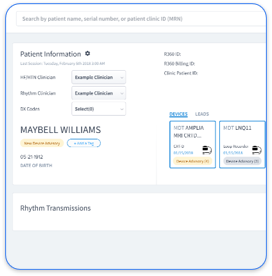
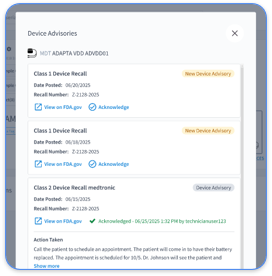
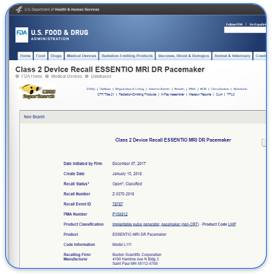
Rhythm360 from RhythmScience focuses on consolidating cardiac data across devices and manufacturers. The platform ingests information from major OEMs such as Medtronic and Boston Scientific into a single interface, which reduces the administrative overhead of managing multiple portals and supports a unified view of each patient.
The data integration stack combines APIs, HL7, XML parsing, and computer vision-based PDF processing. This approach captures information regardless of source format and establishes a single source of truth for remote cardiac data.
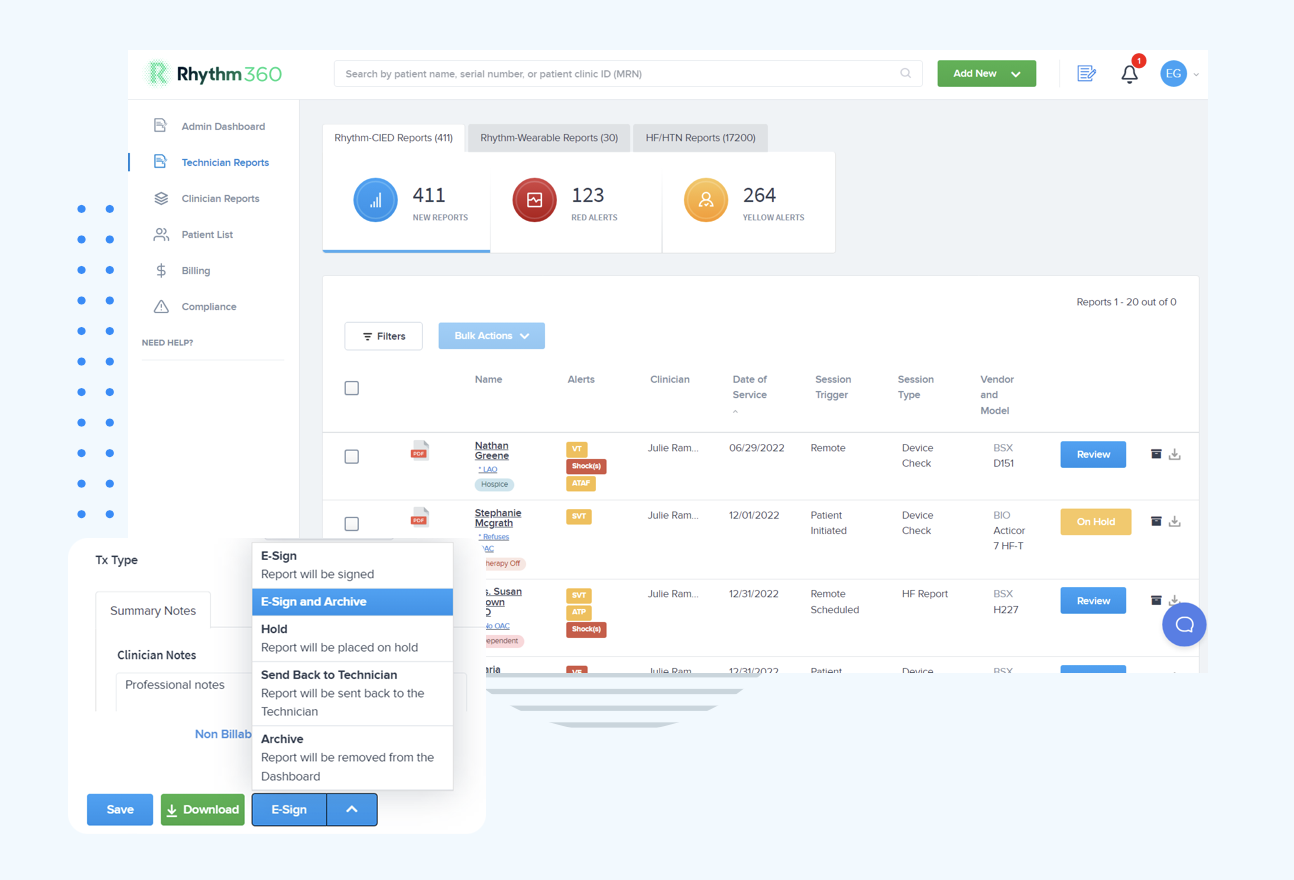
AI-driven data normalization and alert triage help improve reliability and prioritization. Rhythm360 standardizes inputs, flags potential data gaps, and highlights clinically significant events to shorten response times and limit unnecessary alerts.
The platform supports bi-directional EHR integration with systems such as Epic and Cerner. Rhythm360 also offers structured service lines for heart failure and hypertension remote physiological monitoring, with automated billing workflows that simplify launching and operating RPM programs.
Financial tools within Rhythm360 focus on automated CPT code capture and documentation support to improve billing accuracy and uncover missed revenue opportunities. Practices can align telemetry workflows with sustainable reimbursement rather than adding uncompensated tasks.
Clinicians can access data through a secure, HIPAA-compliant mobile application, which supports timely review of transmissions and decision-making from any location.
Teams that want to evaluate Rhythm360 for their practice can schedule a tailored demo at https://www.rhythm360.io/contact-us.
Implementation readiness determines how quickly a practice can benefit from telemetry investments. Useful preparation steps include:
Attribute | Traditional Outpatient Telemetry | Advanced Outpatient Telemetry (Rhythm360) |
Data Consolidation | Fragmented, multiple OEM portals | Unified, single vendor-neutral platform |
Alert Management | High alert fatigue, non-actionable alerts | AI-prioritized, clinically significant alerts |
Revenue Cycle | Significant leakage due to manual processes | Automated CPT capture, optimized billing |
Integration | Limited, manual EHR entry | Bi-directional EHR, API, HL7, XML, OCR |
Integration complexity is often underestimated. Without a realistic plan, practices can encounter data silos, inefficient workflows, and frustrated staff. Early technical assessment and phased rollouts help avoid these issues.
Change management requirements are sometimes overlooked. Limited training, unclear expectations, and minimal support during go-live can limit platform adoption. Structured communication and super-user programs support long-term success.
Short-term cost focus can lead to choosing tools that appear inexpensive but lack scalability, integration capabilities, or support. Evaluating total cost of ownership and long-term value provides a more accurate picture.
Scalability becomes critical as patient volumes and device types grow. Platforms that cannot expand to support new service lines or higher data volumes may force another migration later.
Underuse of aggregated data is another missed opportunity. Telemetry platforms can inform population health initiatives, quality programs, and operational planning when practices regularly review trends and outcomes.
Teams interested in reducing these risks can request a Rhythm360 strategy discussion at https://www.rhythm360.io/contact-us.
How does Rhythm360 support data accuracy and reliability across many device types?
Rhythm360 applies AI-based data normalization across APIs, HL7 feeds, XML files, and OCR for PDFs. A redundant data feed design supports greater than 99.9 percent transmissibility, which helps maintain a complete patient view even when individual OEM servers experience downtime.
What are the financial benefits of integrating a platform like Rhythm360 for outpatient telemetry?
Automated CPT capture and structured documentation workflows help recover missed billing opportunities. Some practices can see significant gains in profitability through improved billing accuracy, lower administrative overhead, and efficient deployment of remote physiological monitoring for heart failure and hypertension.
How long does it take to implement Rhythm360 and connect it to an existing EHR?
RhythmScience offers a streamlined implementation process with bi-directional EHR integration for Epic, Cerner, and other leading systems. Timelines typically range from a few days to a few weeks, depending on practice size, complexity, and EHR configuration.
How does Rhythm360 address alert fatigue for clinical staff?
Rhythm360 uses AI-driven alert triage to filter non-actionable notifications and prioritize clinically meaningful events. This approach lowers overall alert volume and can reduce critical response times by up to 80 percent, which helps teams focus on the patients who need attention most.
Can Rhythm360 support multiple cardiovascular service lines from one platform?
Rhythm360 supports implantable cardiac device monitoring and remote physiological monitoring for heart failure and hypertension from a unified environment. Built-in billing support for RPM programs helps practices diversify revenue while providing coordinated cardiovascular care.
Cardiology practices that organize their outpatient telemetry programs around integrated data, AI-enabled triage, and efficient workflows are better positioned for 2026 and beyond. Unified platforms such as Rhythm360 help shift care from reactive visits to proactive, continuous management that supports earlier intervention, more efficient operations, and more reliable reimbursement.
Remote monitoring will continue to expand as patient expectations, clinical guidelines, and payer models favor connected care. Practices that act now can refine workflows, gain staff buy-in, and build a sustainable telemetry strategy rather than reacting later under time pressure.
Cardiology leaders who want to assess how Rhythm360 could support their 2026 telemetry strategy can schedule a conversation and demo at https://www.rhythm360.io/contact-us.