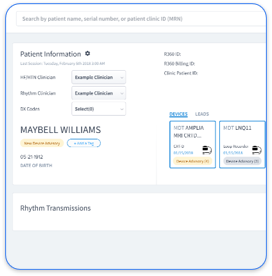
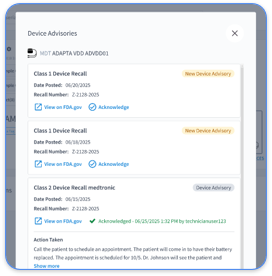
The cardiovascular monitoring ecosystem now spans consumer devices like Apple Watch and Kardia Mobile and clinical systems such as CIEDs and CardioMEMS sensors. In 2026, leading programs focus on AI-powered triage and unified platforms that remove OEM data silos and support continuous care.
After you establish a modern monitoring program using the best practices below, you avoid the pitfalls that plague legacy approaches. Older programs often rely on multiple vendor portals, create overwhelming alert fatigue, and miss CPT code opportunities (93298, 99454). These disconnected workflows put patient safety and financial performance at risk.
Post-stroke patients face elevated risks for secondary cardiovascular events, especially when underlying atrial fibrillation remains undetected. Continuous heart rate monitoring serves as a core secondary prevention strategy by detecting arrhythmias that may not appear during brief encounters or standard ECG recordings. This early identification supports timely anticoagulation therapy and device interventions that significantly reduce adverse outcomes.
Effective patient stratification starts with stroke etiology, comorbidities, and required monitoring duration. This risk profile then guides device selection based on detection accuracy, likely adherence, and how well each device fits into your existing clinical workflows.
Device Type | Monitoring Duration | AFib Detection Rate | Patient Compliance |
Apple Watch | Continuous | High for sustained AFib | Excellent |
Zio Patch | 14-30 days | Superior to Holter | Good |
Kardia Mobile | Spot checks | High for symptomatic | Variable |
Implantable Loop Recorder | 2-3 years | Highest sensitivity | Excellent |
The latest device comparisons show that external patch recorders like Zio provide superior comfort and compliance compared with traditional Holter monitors. For long-term surveillance, implantable loop recorders deliver the highest arrhythmia detection rates.
Successful remote monitoring programs standardize onboarding within 48 to 72 hours after discharge. Patient education materials clearly explain device operation, basic connectivity troubleshooting, and how long monitoring will continue.
Caregiver involvement proves essential for elderly patients or those with cognitive impairments. To support caregivers, provide simplified checklists that cover device charging, proper placement, and how to record symptoms. Because technical issues still occur even with clear instructions, establish backup communication channels for rapid support during the initial setup period.
AI-powered alert triage systems reduce noise by filtering clinically insignificant notifications and highlighting actionable events such as new-onset atrial fibrillation, ventricular arrhythmias, or device malfunctions. Mobile app access then allows on-call clinicians to respond quickly from any location.
Configure alert thresholds based on each patient’s risk factors and clinical history. Once these thresholds are in place, implement escalation protocols that notify backup providers when primary clinicians do not acknowledge critical alerts within defined timeframes. This structure keeps customized thresholds from creating gaps in coverage.
Vendor-neutral platforms combine data streams from many device manufacturers into a single patient record. Bi-directional EHR integration supports automatic documentation and keeps clinicians working inside familiar workflows.
Clinics that scale post-stroke monitoring often choose Rhythm360 for its cloud-based, AI-powered platform that unifies OEM data and speeds alert responses. Rhythm360 delivers true vendor neutrality with integration across heart failure and hypertension programs as well as post-stroke monitoring. See this vendor-neutral integration in action and discover how near-perfect data transmissibility improves your practice efficiency.
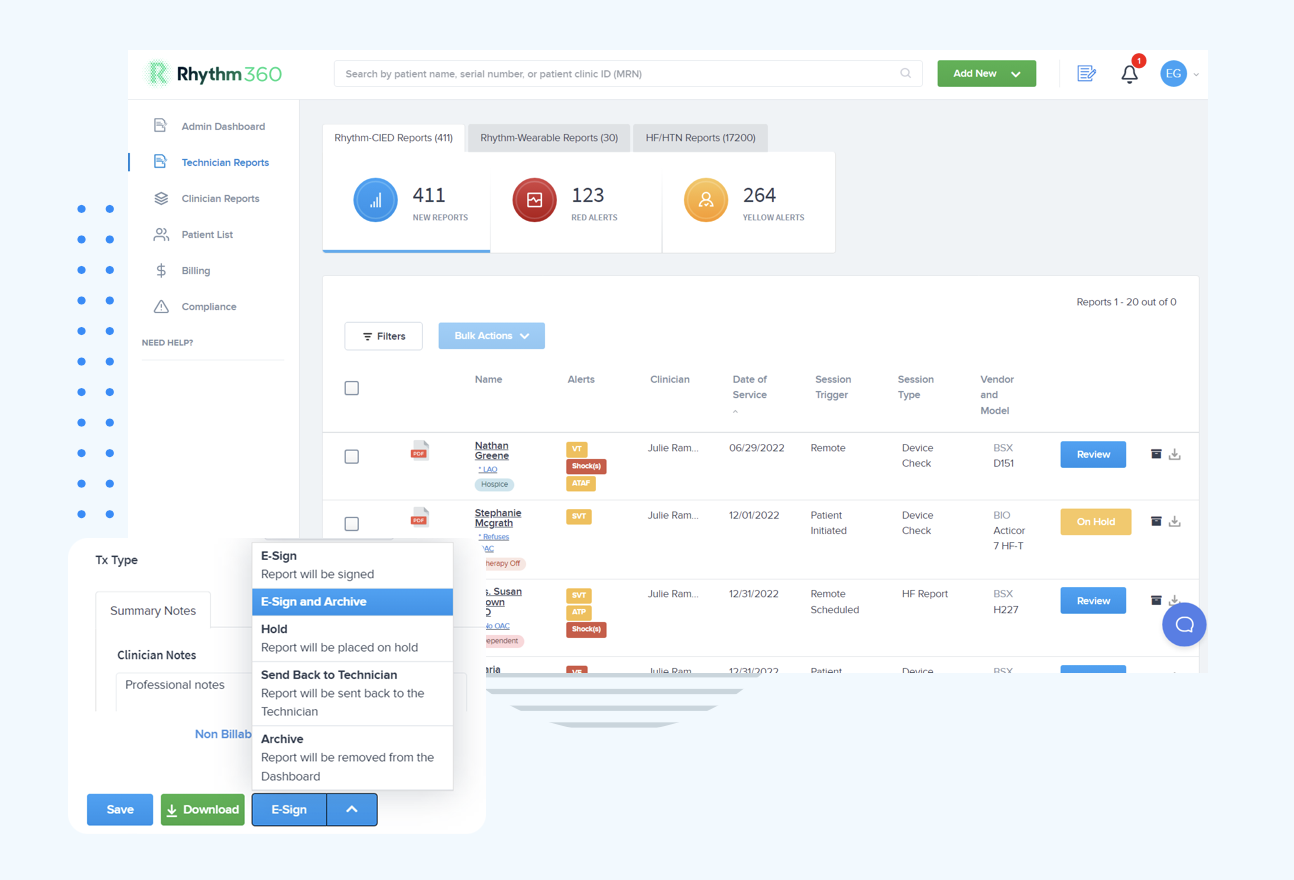
Robust data security protocols safeguard device accuracy, audit trails, and patient privacy. Regular compliance reviews confirm alignment with 2026 healthcare regulations and preserve clinical data integrity.
Avoid consumer-grade solutions that lack strong encryption or audit capabilities. For the clinical-grade devices you deploy, maintain calibration schedules and documentation that support regulatory inspections. Finally, prepare your team to manage these systems by training staff on proper handling of protected health information across every monitoring platform.
Coordinated care teams that include cardiologists, neurologists, nurses, and device technicians rely on consistent information. Automated reporting systems and secure messaging with full audit trails keep everyone aligned on patient status.
Create standardized response checklists for each alert category so every team member delivers consistent care. Hold regular case review meetings to refine protocols based on patient outcomes and workflow metrics, and to identify where automation or staffing adjustments can further reduce delays.
Automated CPT code documentation for remote monitoring services supports accurate billing and reliable revenue capture. Practices that implement comprehensive RPM programs often report up to 300 percent growth in monitoring-related revenue while also shortening response times for critical events.
The table below summarizes common RPM-related CPT codes and their revenue potential so your team can align documentation with services delivered.
CPT Code | Service Description | Monthly Revenue Potential | Documentation Requirements |
93298 | ICD/Pacemaker Interrogation | $150-200 per patient | 30-day monitoring period |
99454 | RPM Device Supply | $65 per patient | Initial setup documentation |
99457 | RPM Treatment Management | $50-75 per patient | 20 minutes clinical time |
99458 | Additional RPM Time | $40 per patient | Additional 20 minutes |
Building internal RPM infrastructure demands significant IT investment, staff training, and ongoing maintenance. Partnering with an established platform like Rhythm360 delivers faster ROI through streamlined implementation and proven billing workflows.
Patients with undetected atrial fibrillation after stroke face substantially higher risks for secondary events. The exact risk depends on age, comorbidities, and adherence to anticoagulation therapy. Continuous monitoring supports early detection and timely treatment that meaningfully lowers this risk.
Apple Watch offers continuous heart rate monitoring and can flag irregular rhythms that suggest atrial fibrillation. Stroke patients gain the most benefit when these consumer devices connect to comprehensive RPM platforms that provide clinical-grade integration, complete documentation, and coordinated team responses.
Heart monitoring after stroke helps identify atrial fibrillation and other arrhythmias that may have caused the initial event or could trigger future strokes. Many patients experience intermittent or silent AFib that appears only on continuous monitoring, which then supports appropriate anticoagulation therapy.
Apple Watch currently delivers the most advanced heart rhythm features among consumer smartwatches, including irregular rhythm notifications and ECG recording. For full clinical sensitivity and specificity, clinicians often pair smartwatches with medical devices such as patch monitors or implantable loop recorders.
Remote heart rate monitoring now uses wearable devices, patch monitors, and implantable systems. Modern RPM platforms combine data from these sources into unified clinical workflows, enabling continuous surveillance, automated alerts, and complete documentation that supports billing.
Traditional inpatient telemetry usually remains limited to acute care. Many stroke patients still benefit from extended monitoring at home through wearables, patch monitors, or implantable loop recorders. These technologies provide telemetry-like arrhythmia detection while patients resume daily activities.
These seven best practices for remote heart rate monitoring after stroke create a practical framework for preventing secondary events and improving clinical and financial outcomes. Vendor-neutral platforms like Rhythm360 unify device data, connect directly with your EHR, and automate key billing steps.
The combination of evidence-based device selection, intelligent alert systems, and well-defined workflows allows your practice to deliver higher quality care while capturing revenue that older processes often miss. As remote monitoring evolves, early adopters gain clear advantages through better outcomes and more efficient operations.
Ready to modernize your post-stroke monitoring program? Explore a Rhythm360 walkthrough to see how a unified RPM platform can support your patients and your practice.