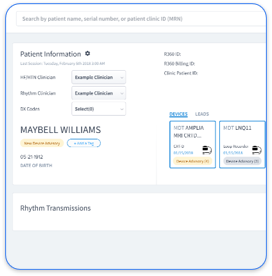
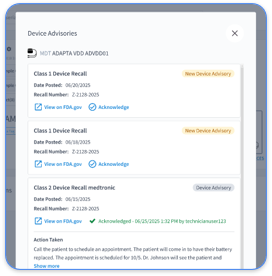
Critical alert fatigue in cardiology RPM arises from systemic problems in modern cardiac device monitoring. Data fragmentation across OEM portals creates information silos, so clinicians must navigate separate Medtronic CareLink, Abbott Merlin.net, and Boston Scientific LATITUDE systems to piece together patient status. This fragmentation worsens when only 5-15% of monitoring system alarms require clinical intervention, which buries genuine emergencies in noise.
Clinical consequences extend far beyond workflow inefficiency. Electrophysiologists experience constant anxiety about missing critical events like new-onset atrial fibrillation, ventricular arrhythmias, or end-of-service indicators that could lead to sudden cardiac death. Cybersecurity alert fatigue affects IT operations, but healthcare alert fatigue directly affects patient safety. Cardiology-specific solutions are therefore essential for reducing critical alert fatigue effectively.
These seven evidence-based strategies provide a clear framework to reduce alert fatigue while preserving clinical vigilance:
Strategy | Cardiology Example | Expected Outcome | Rhythm360 Feature |
Alert Prioritization | VT episodes flagged over low battery warnings | 50% volume reduction | AI-powered alert triage system |
Symptom-Based Alerts | AFib burden >6 hours triggers anticoagulation review | Clinical relevance increase | AI pattern recognition |
Deduplication | Multiple lead noise alerts merged into single notification | 80% noise reduction | AI-powered alert triage system |
AI Filtering | Machine learning distinguishes true AFib from artifact | >99.9% reliability | AI-powered alert triage system |
Role-Based Workflows | Device techs handle routine, EPs manage emergencies | Faster triage | Centralized intuitive platform |
Team Training | HF weight gain simulation exercises | Improved response | AI-powered alert triage system |
Performance Monitoring | Track door-to-balloon times for STEMI alerts | Continuous improvement | Administrative dashboard |
Start with a comprehensive inventory of all alert types across your OEM systems. Categorize alerts by clinical urgency: life-threatening arrhythmias such as VT and VF receive highest priority, followed by device malfunctions, then routine maintenance notifications like low battery warnings. Document alert frequency and clinical outcomes to uncover patterns.
Create a scoring system that weighs clinical severity against actionability. Sustained ventricular tachycardia warrants immediate intervention. Minor lead impedance fluctuations may only require monitoring. Rhythm360's AI-powered alert triage system filters non-actionable noise and prioritizes clinically significant events.
Avoid common mistakes such as treating all alerts equally or ignoring baseline patient parameters. Establish patient-specific thresholds based on individual clinical history and device settings. This targeted approach can reduce overall alert volume by 50% while maintaining clinical safety.
Shift from threshold-based alerts to symptom-focused notifications that reflect real clinical status. Instead of alerting on every AFib episode, configure alerts for sustained AFib burden exceeding six hours, which requires anticoagulation review. Focus on meaningful parameters such as heart failure decompensation indicators rather than isolated vital sign changes.
2026 AI trends emphasize machine learning pattern recognition that detects subtle clinical deterioration before traditional thresholds are crossed. This proactive approach supports earlier intervention and reduces false positive alerts that drive alert fatigue in cardiology RPM.
Configure alerts to factor in patient context, medication changes, and recent clinical events. A post-ablation patient may have expected arrhythmia episodes that do not require urgent intervention. The same arrhythmia in a different patient may demand immediate attention.
Use intelligent deduplication to merge related alerts into a single notification. When multiple leads detect the same arrhythmia episode, group them instead of generating separate alerts for each lead. Suppress known artifact sources such as lead noise during patient movement or electromagnetic interference from nearby equipment.
Create suppression rules for predictable non-actionable events. If a patient consistently has lead impedance fluctuations during specific activities, temporarily suppress these alerts while still monitoring for genuine lead failures. This approach removes critical alerts that add no clinical value while preserving essential safety notifications.
Set time-based grouping for related events. Multiple premature ventricular contractions within a short timeframe should generate one alert rather than dozens. This grouping reduces cognitive load while preserving awareness of the underlying rhythm disturbance.
Deploy artificial intelligence and machine learning algorithms to separate genuine clinical events from artifact and noise. Threshold alerts still comprise 71% of monitoring studies, yet AI-enhanced systems deliver higher accuracy by analyzing complex patterns instead of simple parameter breaches.
Rhythm360's AI-powered platform achieves more than 99.9% data reliability through redundant feeds and intelligent extrapolation, which reduces critical response times by 80%. In one real-world case, the system identified new-onset AFib in a high-risk patient on Saturday morning. Clinicians initiated anticoagulation by Saturday afternoon and likely prevented a stroke.
Cleveland Clinic's 2025 AI implementation reduced false alerts by 90% while improving sensitivity by 46%. These results highlight the impact of intelligent filtering in high-volume monitoring environments.
Schedule a demo to see how Rhythm360's AI algorithms can reduce your alert fatigue while improving patient outcomes.
Design explicit escalation pathways that route alerts to the right team members based on urgency and expertise. Device technicians manage routine transmissions and maintenance alerts. Electrophysiologists receive immediate notification of life-threatening arrhythmias. Nurse practitioners oversee chronic disease monitoring alerts for heart failure and hypertension patients.
Set time-based escalation rules. If a critical alert is not acknowledged within 15 minutes, escalate automatically to the on-call physician. For non-urgent alerts, allow longer response windows to avoid unnecessary interruptions during patient care or off-hours.
Integrate with existing EHR systems such as Epic so each alert includes recent clinical notes, medication changes, and scheduled procedures. This context supports faster, more informed decisions and reduces time spent gathering background information during urgent situations.
Create standardized response protocols for common alert scenarios. Build decision trees that guide staff through appropriate actions for each alert type, which reduces response variability and supports consistent patient care. Include specific pathways for heart failure decompensation, device malfunction, and arrhythmia management.
Run regular simulation exercises using realistic scenarios. Practice responses to Saturday morning AFib alerts, device battery depletion warnings, and heart failure weight gain patterns. These drills build confidence for high-stress situations and reveal workflow gaps.
Define clear communication rules for patient notification and care coordination. Specify when to contact patients directly versus scheduling routine follow-up. Match outreach urgency to clinical significance.
Success metrics should emphasize positive predictive value and workflow impact rather than statistics alone. Track response times for critical alerts, aiming for acknowledgment within 90 minutes and clinical action within timeframes that match alert urgency.
Measure revenue impact through improved CPT code capture and billing efficiency. Practices using Rhythm360 have reported up to 300% profitability increases through stronger CPT billing, better staff efficiency, and seamless addition of new RPM service lines for HF and HTN management. Track patient outcomes such as prevented hospitalizations, stroke prevention, and improved medication adherence.
Hold regular post-incident reviews for missed alerts or delayed responses. Analyze root causes and implement system-level improvements instead of assigning individual blame. Use findings to refine alert thresholds, update protocols, and enhance training.
Rhythm360's administrative dashboard delivers real-time visibility into these key performance indicators. Leaders gain a clear view of clinical and financial value from reduced alert fatigue.
Rhythm360 tackles critical alert fatigue with a comprehensive, vendor-neutral platform that unifies data from all major device manufacturers into a single, intelligent dashboard. Competing solutions such as PaceMate or Implicity address specific parts of the problem. Rhythm360 supports end-to-end workflow automation with AI-powered triage, certified cardiac technician oversight, and seamless EHR integration.
The platform's >99.9% data transmissibility ensures that technical failures rarely hide critical events. Intelligent filtering reduces response times by 80% and can increase practice profitability by 300%. Mobile access lets clinicians manage urgent alerts from any location, which preserves continuity of care without tying them to a workstation.

Schedule a demo to see how Rhythm360 turns chaotic alert streams into streamlined, profitable patient care that prevents strokes and saves lives.
Reduce alert fatigue with the seven-step framework. Audit and prioritize alerts by clinical severity. Implement symptom-based alerting focused on actionable clinical indicators. Deduplicate and suppress non-actionable notifications. Use AI and machine learning for intelligent triage. Build role-based workflows with clear escalation. Train teams with standardized protocols. Monitor performance metrics continuously. This structured approach can reduce alert volume by 50% while preserving patient safety.
An effective strategy combines AI-powered intelligent filtering with clinical workflow redesign. AI systems can reduce false alerts by 90% while improving sensitivity by 46%, as shown in recent hospital implementations. Pair this technology with role-based alert routing, symptom-focused notifications, and continuous performance monitoring to address both technical and human drivers of alert fatigue.
Alert fatigue in cardiology RPM occurs when clinicians face overwhelming false alarms from fragmented OEM systems, which leads to delayed responses and missed critical events. Large CIED populations can generate over 200,000 transmissions and more than 80,000 alerts each year, creating heavy cognitive burden. Rhythm360 addresses this problem with vendor-neutral data consolidation, AI-powered triage, and intelligent workflow automation that prioritizes genuine emergencies while suppressing noise.
Focus on eliminating non-actionable alerts rather than removing true critical alerts. Use intelligent deduplication, suppression of known artifact sources, and AI-powered filtering that separates genuine clinical events from noise. Configure symptom-based alerting that targets clinically meaningful parameters instead of simple threshold breaches. Route alerts by role so they reach the right team members, and define clear acknowledgment and response protocols to protect patient safety while reducing cognitive load.
Critical alert fatigue threatens patient safety and clinician wellbeing in cardiology RPM, yet these seven evidence-based strategies can turn overwhelming alert chaos into focused, actionable intelligence. AI filtering, role-based workflows, and clear protocols all support faster response times, better outcomes, and lower clinician burnout.
Rhythm360 delivers the platform required to apply these strategies at scale. Vendor-neutral data consolidation, AI-powered triage, and workflow automation together reduce response times by 80% and can increase practice profitability by 300%. Schedule your Rhythm360 demo today to see how intelligent alert management turns reactive monitoring into proactive, life-saving patient care.