Why I Joined RhythmScience: A Vision for Better Heart Failure Care
Leeor Jaffe, MD, shares why he joined RhythmScience and his vision for improving heart failure care through remote cardiac monitoring, personalized treatment, and proactive medical optimization with Cora360.

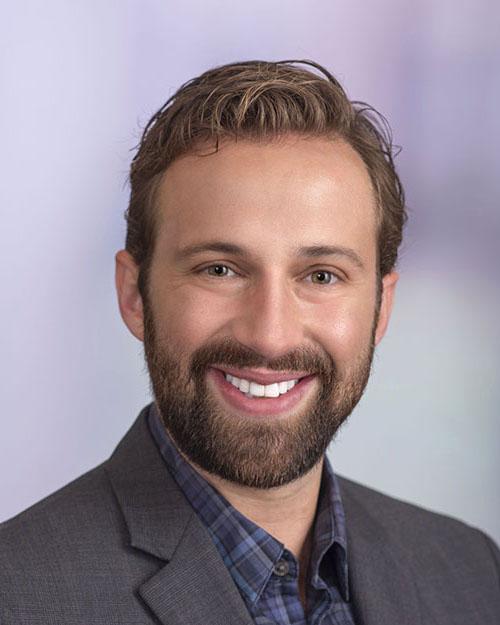
I joined RhythmScience to help cardiologists and health systems turn advances in cardiac monitoring into better care for patients with heart failure. Cora360 gives us the opportunity to connect what we learn about patients between visits directly to opportunities to optimize their treatment, prevent avoidable hospitalizations, and improve their health.
As an advanced heart failure and transplant cardiologist, my clinical work has included caring for patients at Baystate Health and Beth Israel Deaconess Medical Center, alongside building remote patient monitoring programs. As co-founder and Chief Medical Officer of HekaHeart, I helped develop a virtual heart failure clinic that brought medication optimization, remote monitoring, and ongoing clinical support into patients’ homes. That experience shaped my belief that delivering excellent heart failure care requires a system that makes timely, individualized treatment possible between office visits.
RhythmScience offers an opportunity to bring that approach to more patients. My vision is to combine frontier cardiac monitoring technology with the clinical expertise and practical support that cardiologists and health systems need to deliver the best possible medical therapy. We’re building this approach through Cora360 for heart failure, with a broader vision that extends to patients with atrial fibrillation and other chronic cardiac conditions.
The key is giving clinical teams data they can act on. A blood pressure reading, a change in heart rate, or a trend from an implanted device becomes more useful when interpreted alongside a patient’s medications, symptoms, laboratory results, and treatment goals. Connecting that information directly to opportunities for medical optimization can help clinicians decide what needs attention and what to do next.
In an age when so much information is available at our fingertips, I believe this kind of contextualized support should be part of everyday cardiac care. Our approach puts the treating cardiologist and local care team at the center, giving them the tools and capacity to act earlier and follow through consistently.
That’s what I’m here to help build: a program that makes exceptional cardiac care more accessible and gives some of our most vulnerable patients a better chance to stay healthy and out of the hospital.